
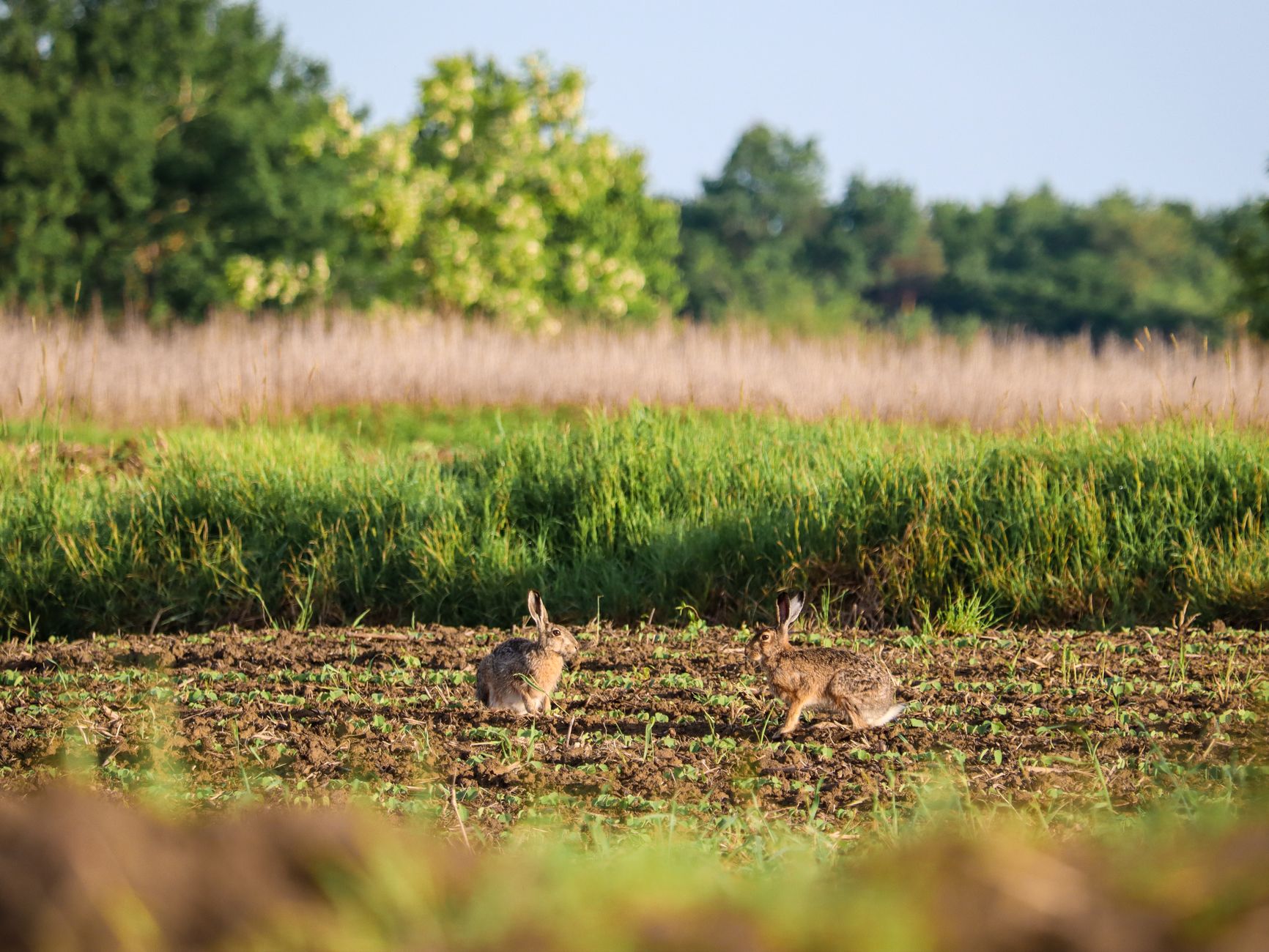
Illegal hare coursing gangs terrorise farmers across rural England
Illegal hare coursing has surged into a full-blown rural crime crisis, with police forces across England logging nearly 9,000 reports in a single year and farmers describing coordinated gang attacks, property damage, and the grim discovery of dumped animal carcasses on their land.
A countryside under siege
The scale of the problem is staggering. Gangs — often travelling in convoys of four-wheel-drive vehicles — descend on farmland without warning, releasing dogs to chase and kill brown hares while lookouts monitor police radio frequencies. Farmers who intervene are routinely threatened. Some have had vehicles rammed. Others have found dead hares or other animals left on their property, an intimidation tactic that many describe as a deliberate message to stay silent.
It’s not a fringe problem happening in isolated pockets. Reports have come in from Lincolnshire, Cambridgeshire, Norfolk, Nottinghamshire, and beyond — counties where flat arable land makes hare populations easy targets and escape routes plentiful.
The numbers behind the crisis
Hare coursing was banned under the Hunting Act 2004, yet enforcement has struggled to keep pace with organised gangs who treat the countryside as open territory. Police received 8,936 reports of hare coursing offences in 2023, according to figures compiled by rural crime analysts. But officers and farming groups say the true number is almost certainly higher. Many farmers don’t bother reporting incidents anymore. They’ve stopped expecting a response fast enough to matter.
The criminal networks involved aren’t small-time. Significant sums of money change hands through illegal betting on dog races staged in fields. A single coursing event can generate thousands of pounds, which partly explains why participants are willing to travel hundreds of miles and confront landowners directly.
Violence, dead animals and fear
What distinguishes recent years from earlier patterns of rural poaching is the organised aggression. Farmers describe gangs returning to the same land repeatedly, as if daring anyone to stop them. Dumped carcasses — sometimes dozens of hares left in a pile — have been found on several farms, a detail that shocked even experienced rural police officers.
One senior rural crime coordinator put it plainly: “These aren’t opportunists. They’re organised, they’re often violent, and they know exactly what they’re doing.”
Still, prosecutions remain frustratingly low relative to the volume of reports. Identifying individuals from fast-moving vehicles across open farmland is genuinely difficult, and court processes can be slow.
What comes next
Farming groups are pushing for tougher sentences, better cross-county police coordination, and faster vehicle seizure powers. Some forces have started using drone surveillance during known coursing seasons — typically October through January — with modest results. Legislation introduced in 2022 strengthened penalties, but rural advocates argue implementation has been patchy at best.
Without consistent enforcement and real consequences, farmers warn, the gangs won’t stop. And right now, there’s little reason for them to think otherwise.