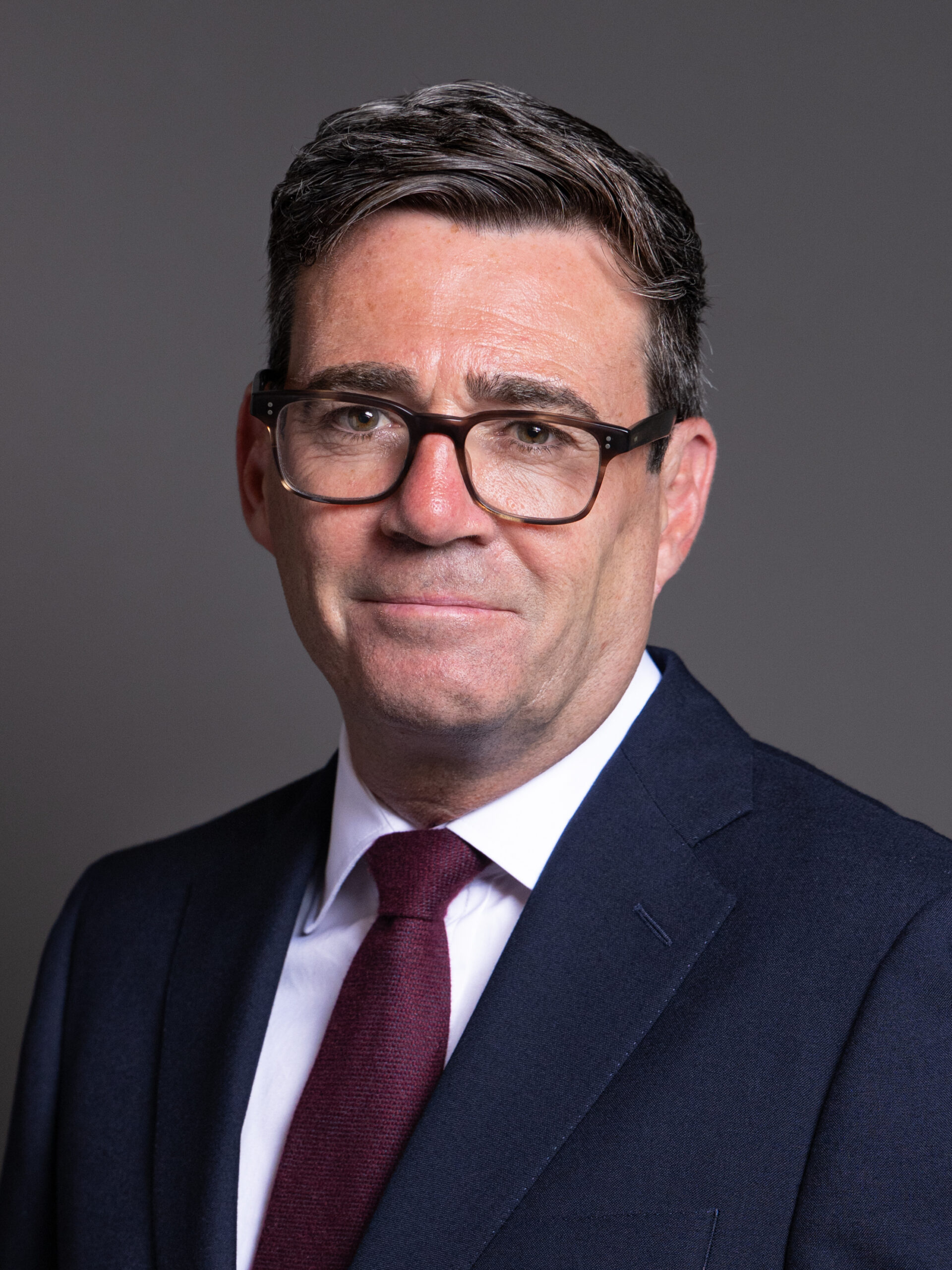
Andy Burnham as UK prime minister: What the world can expect
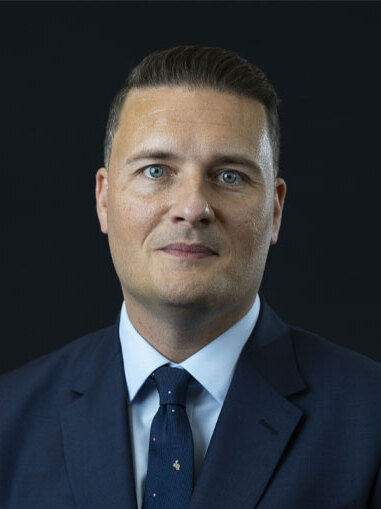
Andy Burnham, the former Mayor of Greater Manchester, is set to become the United Kingdom’s next Prime Minister following a stunning Labour leadership upset that has sent shockwaves through Westminster and beyond. His rise marks one of the most dramatic political ascents in recent British history — and foreign capitals are already scrambling to understand what it means for them.
From Manchester to Downing Street
Burnham spent eight years running Greater Manchester, a combined authority of 2.8 million people, where he built a reputation as a pragmatic, working-class politician unafraid to clash with his own party. He scrapped planned rail privatisation extensions, pushed a bold homelessness initiative called A Bed Every Night, and became something of a national figure during the COVID-19 pandemic when he publicly fought the government over a £60 million funding shortfall for local businesses facing lockdowns. That confrontation — broadcast live on television — cemented his image as someone willing to fight for ordinary people. It’s the brand he’ll now bring to Number 10.
What his foreign policy might look like
Burnham has historically focused on domestic issues, which makes his foreign policy instincts harder to read than those of career diplomats or defence specialists. But analysts at the Council on Foreign Relations have flagged several likely tendencies. He’s skeptical of unchecked military adventurism, has spoken cautiously about NATO commitments in the context of domestic austerity, and has shown sympathy for Palestinian statehood in ways that will complicate relations with Washington under the current U.S. administration.
Still, he’s no isolationist. Burnham has consistently backed Ukraine’s right to self-defence and supported continued British arms transfers to Kyiv, calling Russian aggression “a direct threat to European stability” as recently as last March.
Allies and adversaries are watching closely
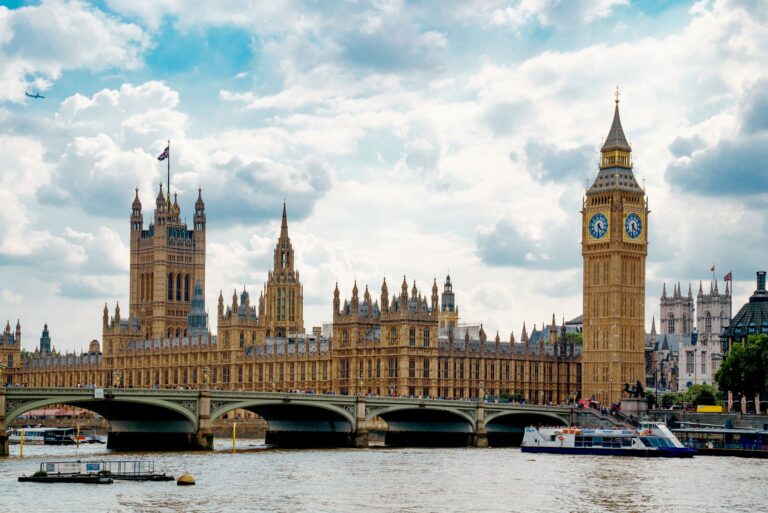
A senior European diplomatic official, speaking on condition of anonymity, told reporters this week that Brussels is “cautiously optimistic” but waiting to see whether Burnham’s instincts translate into a coherent foreign policy programme. That’s a fair read. He won’t have the luxury of a long transition period — the UK holds the G7 presidency through the end of the year, meaning he’ll be on the world stage within weeks.
His appointment of Shadow Foreign Secretary Nia Griffith to continue in that role signals some continuity. But Burnham himself will set the tone.
Domestic priorities will shape everything
At home, Burnham has pledged to renationalise water infrastructure, expand NHS mental health services, and overhaul the 1.2 million-case housing planning backlog. These are expensive promises. Funding them without cutting defence or foreign aid budgets — both currently under pressure — will require difficult trade-offs that could define his first 100 days.
Foreign observers hoping for a dramatic British foreign policy reset may need to temper their expectations. Burnham is, above all else, a domestic politician. And that won’t change just because he’s moved to Downing Street.