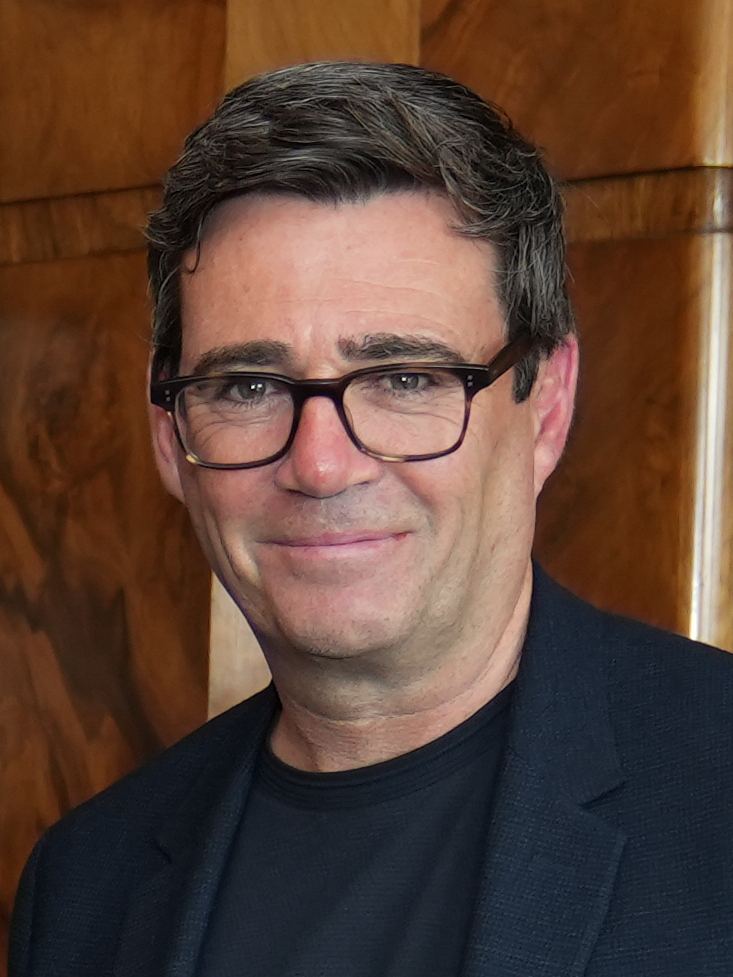
Andy Burnham faces bold choices to restart Britain’s growth engine
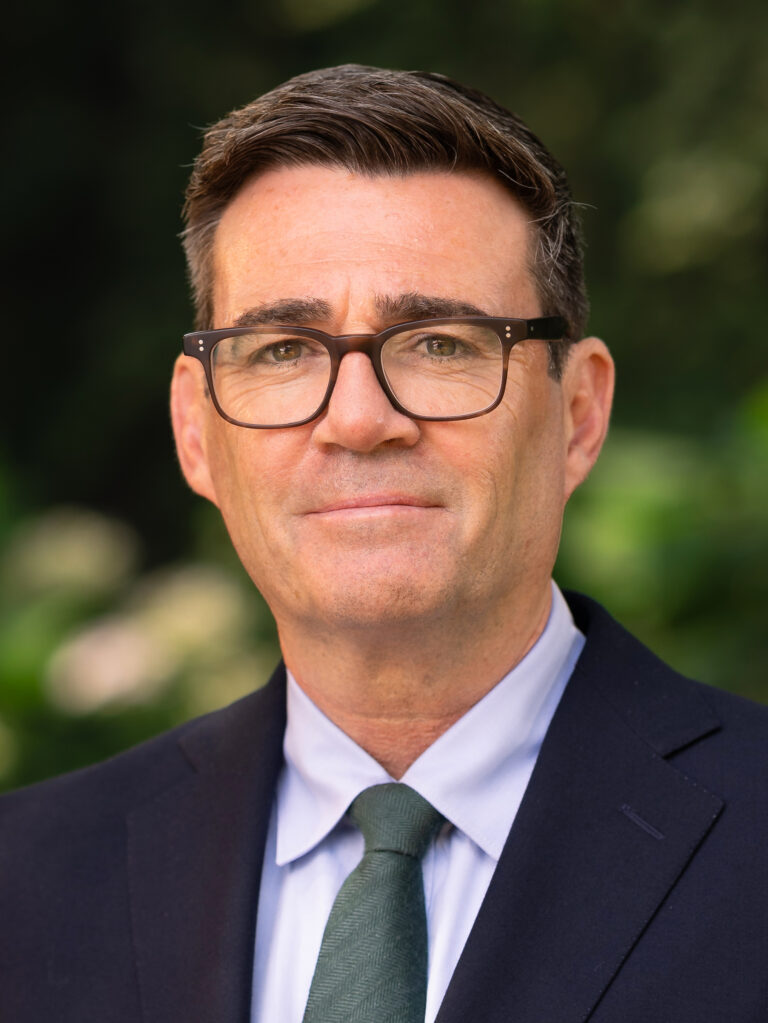
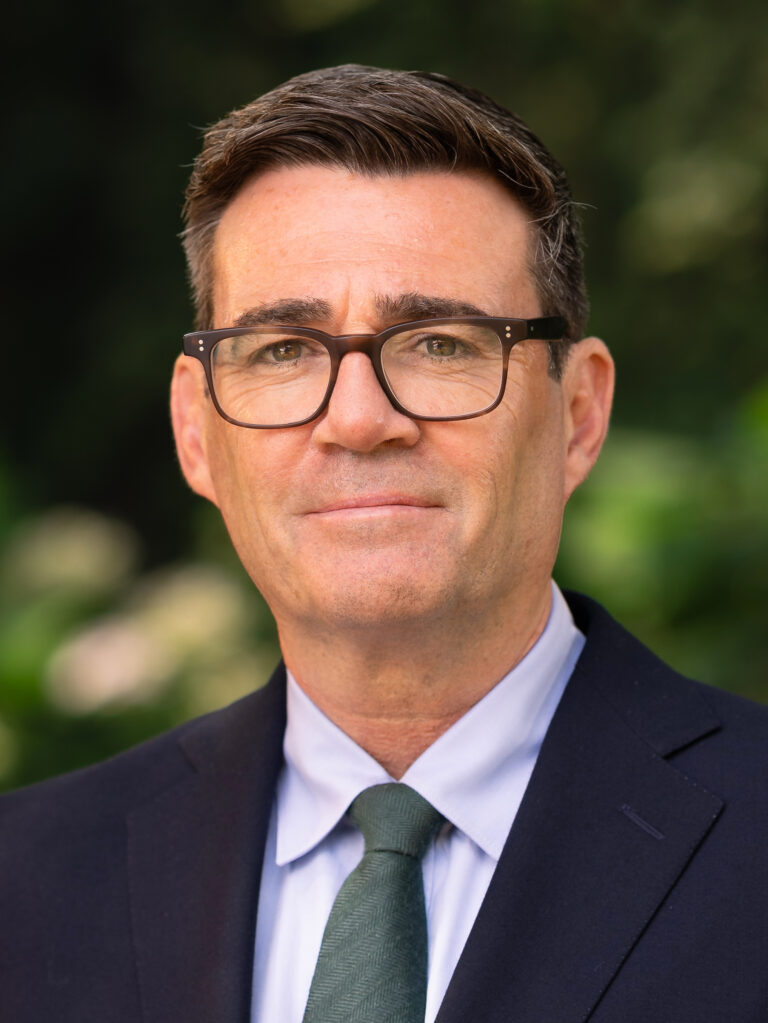
Andy Burnham is being watched closely. As Greater Manchester’s metro mayor and one of Labour’s most recognisable political figures, he’s increasingly talked about as a potential future national leader — and right now, the question on everyone’s lips is whether he has the nerve to push genuinely disruptive economic reform at a moment when Britain’s growth numbers are flatlining.
A stagnant economy needs more than warm words
The UK economy grew by just 0.1% in the third quarter of 2024, a figure that has rattled Treasury officials and given opposition parties plenty of ammunition. Inflation is cooling, but consumer confidence remains brittle. Business investment, the kind that actually creates jobs and raises wages, has been stubbornly weak for years. Burnham’s defenders argue he’s already shown what bold regional policy looks like — Greater Manchester’s integrated transport authority, which consolidated bus services under public control, was a genuine political fight that he won. But running a city-region is very different from steering a national economic agenda.
What ‘brave’ actually means in practice
The Financial Times editorial that’s been circulating in Westminster circles this week made the case plainly: Burnham will need to back serious planning reform, push harder on housing density in cities, and resist the temptation to protect every incumbent industry from competition. That’s a harder sell than it sounds. Planning reform means upsetting local councillors. Housing density means overriding neighbourhood groups who vote in high numbers. And exposing legacy industries to competition means taking on trade unions that have historically been among Labour’s closest allies.
Still, the economic case is hard to argue with.
Britain builds roughly 234,000 new homes a year against an estimated need of 300,000 or more. Productivity outside London remains among the lowest of any comparable European economy. These aren’t new problems — they’ve been festering for decades across governments of both parties.
Allies urge action, not positioning
One senior figure close to the Greater Manchester Combined Authority put it bluntly: “The worst thing Andy could do right now is treat economic policy as a branding exercise. People can smell positioning from a mile away. What they want is results.”
That sentiment is echoed among economists who study regional inequality. The gap between London and the next most productive English city-region is larger than the equivalent gap in France or Germany. Closing it won’t happen through speeches.
The window may be narrow
Burnham turns 55 in January. He’s been in public life for over two decades and knows better than most how quickly political capital evaporates. If he’s serious about a national leadership role — and most people who’ve spent time with him believe he is — then the next 18 months represent a rare opportunity to demonstrate something concrete.
The stakes for Britain’s economy are real. And the stakes for Burnham’s political future are too. Whether he can reconcile those two things without flinching will define what kind of leader he actually is.