
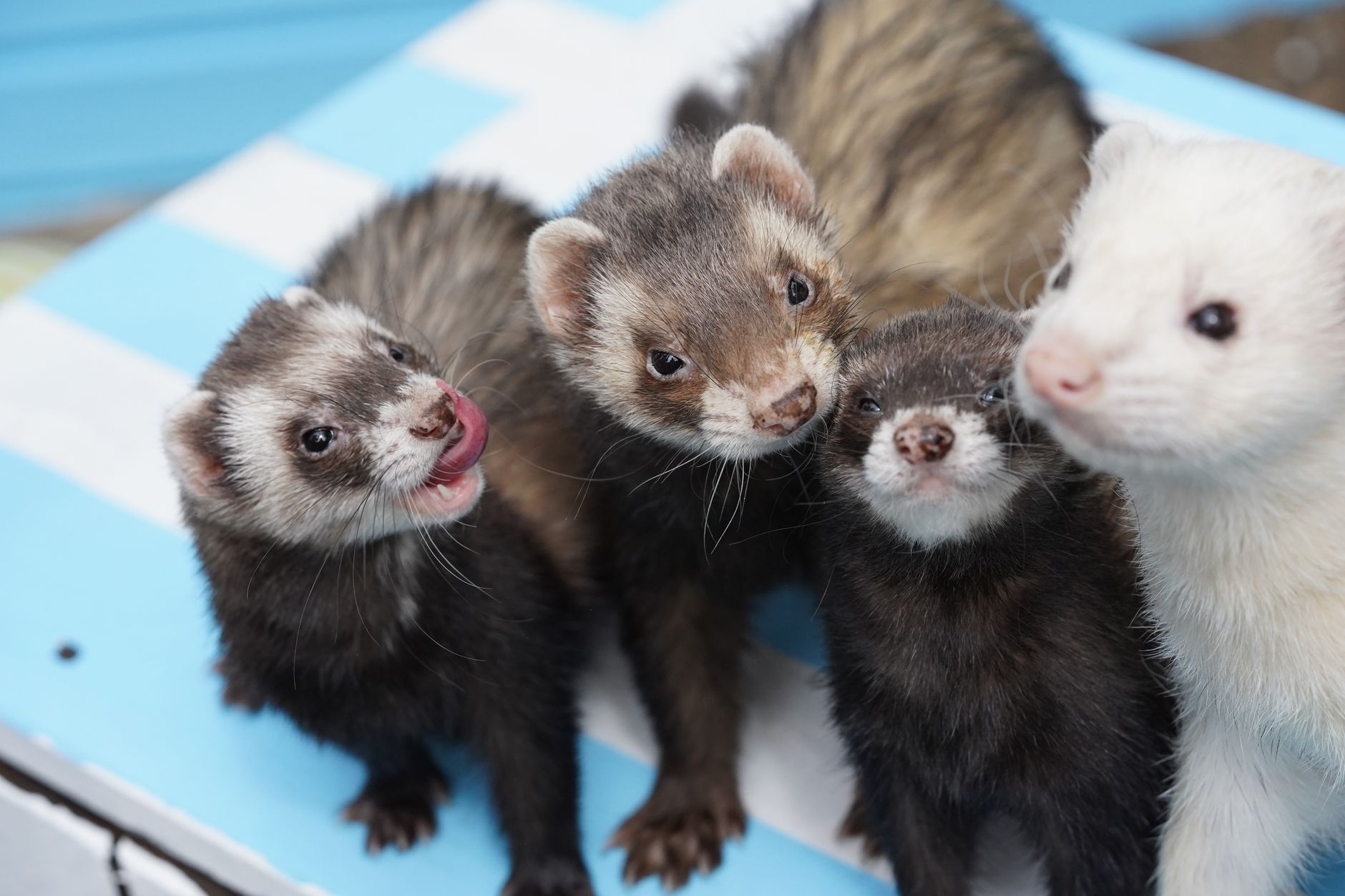
Therapy ferrets at UK’s largest children’s prison spark welfare row
Ferrets brought into Werrington Young Offender Institution in Staffordshire to serve as therapeutic companions for young inmates are also being used to hunt and kill rats on the prison grounds, raising serious concerns among animal welfare groups and youth justice advocates.
Dual role causing alarm
Werrington, which holds around 140 young people aged between 15 and 18, introduced the ferrets as part of a broader animal-assisted therapy programme. The idea was straightforward enough — give troubled young men responsibility for caring for animals, build empathy, reduce anxiety. It’s a model that has shown real promise in other custodial settings. But somewhere along the way, the animals took on a second job.
Staff at the facility have been deploying the same ferrets used in therapeutic sessions to flush out and kill rats that have infested parts of the site. Animal welfare campaigners say the practice is deeply inappropriate and risks undermining the entire therapeutic purpose of the programme.
“Using animals in a dual role like this sends completely the wrong message to young people who are already trying to process complex relationships with authority, care and harm,” said a spokesperson for a leading youth justice charity. “You can’t ask a child to bond with an animal one day and watch it kill the next.”
Rat problem at the ageing site
The rat infestation itself speaks to wider problems at Werrington. The prison, which dates back decades and has faced repeated criticism over its aging infrastructure, has struggled with vermin control. A Ministry of Justice inspection report from last year flagged maintenance backlogs across several wings. Pest control contractors have been called in multiple times, but the problem persists.
So the ferrets became a practical solution. That’s the part that critics find so troubling — not that anyone set out to cause harm, but that the decision apparently wasn’t questioned.
Welfare and safeguarding questions
There are at least two separate concerns here. One is about the ferrets themselves. Animal welfare experts note that working ferrets and therapy animals require fundamentally different temperaments and training. Crossover between the two roles can cause stress and behavioural changes in the animals. The second concern is about what young detainees are witnessing or being asked to participate in.
Youth justice groups point out that a significant proportion of children in young offender institutions have prior exposure to animal cruelty, domestic violence, or neglect. Therapeutic animal programmes are specifically designed to interrupt those patterns — not reinforce them.
The Ministry of Justice said it does not comment on operational matters at specific facilities but confirmed that all animal welfare programmes in youth custody settings are expected to comply with relevant legislation.
What happens next
Campaigners are now calling for an independent review of how animal-assisted therapy is governed across the youth estate. With the government’s wider review of youth custody conditions ongoing, the ferret controversy may prove a small but telling detail in a much larger debate about what rehabilitation actually looks like behind bars.