Meningitis B vaccine programme to reach one million young people
Health authorities have announced an emergency vaccination programme that will offer the Meningitis B vaccine to more than one million young people across England, following an alarming outbreak in Kent that has claimed three lives this year.
The one-off campaign, set to begin next month, targets teenagers and young adults aged 14 to 18. It’s the largest emergency immunisation drive against the bacterial disease in over a decade. Officials say the unprecedented cluster of cases in Kent—where 47 infections were recorded between January and August—has forced their hand.
Kent Outbreak Sparks National Response
The outbreak first emerged in February when six students from three different secondary schools in Maidstone were hospitalised within a fortnight. By spring, cases had spread across Medway, Canterbury, and Tunbridge Wells. And that’s when health officials knew they had to act fast.
Meningitis B is particularly dangerous because symptoms can mimic common flu. Fever, headache, and fatigue often appear first, but the disease can progress to life-threatening sepsis within hours. Survivors sometimes face amputations or lasting neurological damage.
How the Programme Will Work
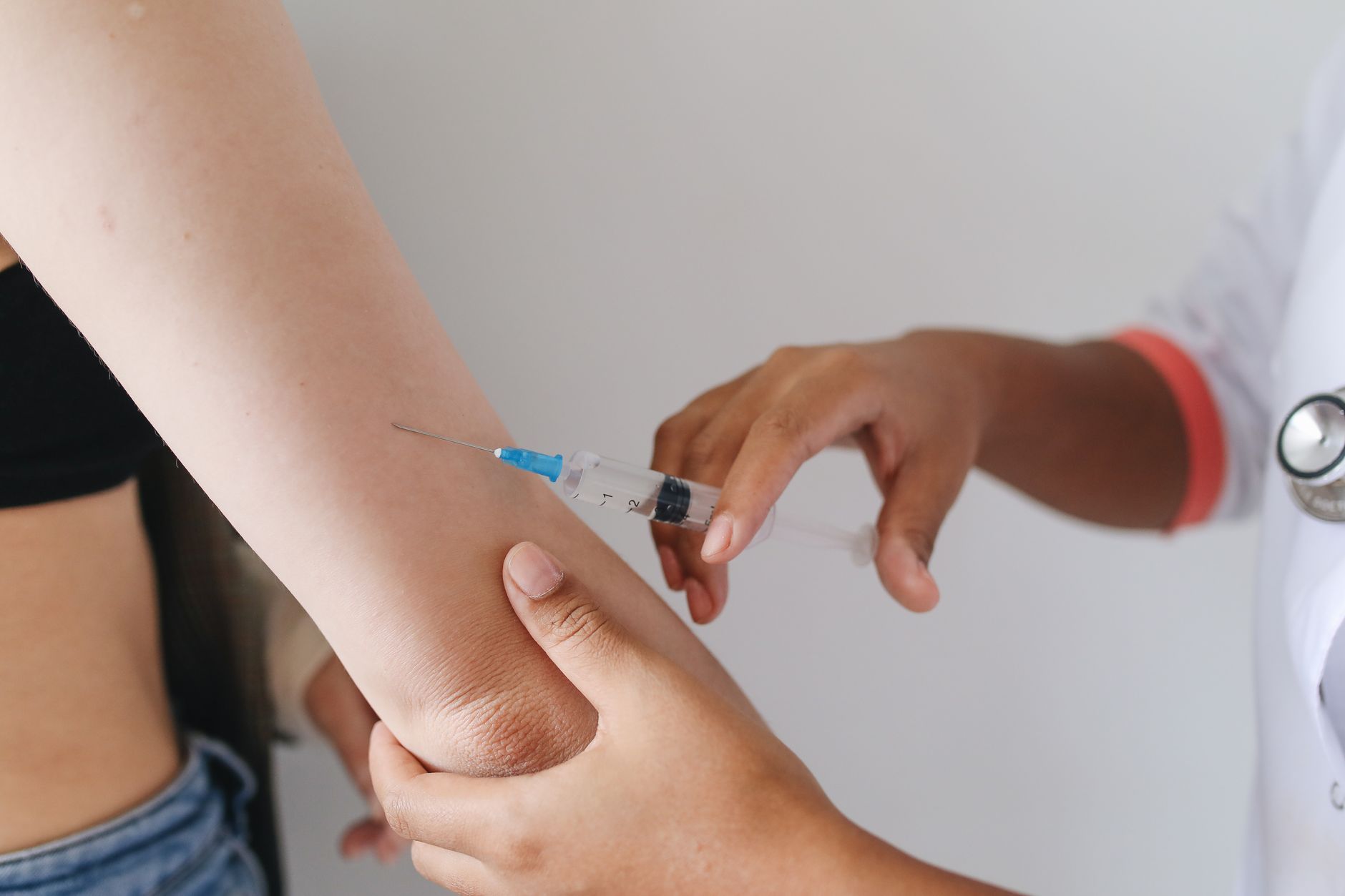
The vaccine will be delivered through schools, colleges, and special drop-in clinics across the country. Students in year groups 9 through 13 won’t need parental consent if they’re 16 or older, though parents will be informed. Younger teens will need permission slips signed.
But there’s a catch. The vaccine doesn’t work immediately—it takes around two weeks for full protection to kick in.
Dr Sarah Henderson, deputy chief medical officer, said the government had secured 1.2 million doses from GSK, the vaccine’s manufacturer. “We cannot afford to wait and see if this outbreak spreads beyond Kent,” she stated in a press briefing yesterday. “Every parent should understand that meningitis doesn’t respect county boundaries.”
Previous Vaccination Gaps Leave Teens Vulnerable
The current situation has exposed a significant gap in Britain’s immunisation schedule. Children born after 2015 received the Meningitis B vaccine as babies, while those born before 1999 were offered the Meningitis C vaccine during their teenage years. Yet anyone born between 1999 and 2015 largely missed out on both programmes.
That’s left approximately 8.5 million young people with no protection against the most aggressive strain. This emergency programme addresses only a fraction of that vulnerable population, prioritising those in the age group where social mixing is most intense.
The initiative will cost an estimated £84 million. Some health campaigners argue it should become permanent, extending protection to all teens who missed earlier programmes. For now, though, officials are focused on containing the immediate threat and preventing what they fear could become a nationwide crisis.