
UK government faces economic fallout from Iran war escalation
The UK government is racing to prepare contingency plans as the escalating conflict with Iran threatens to deliver fresh economic turbulence to Britain’s already fragile recovery, according to a new report from the Institute for Government.
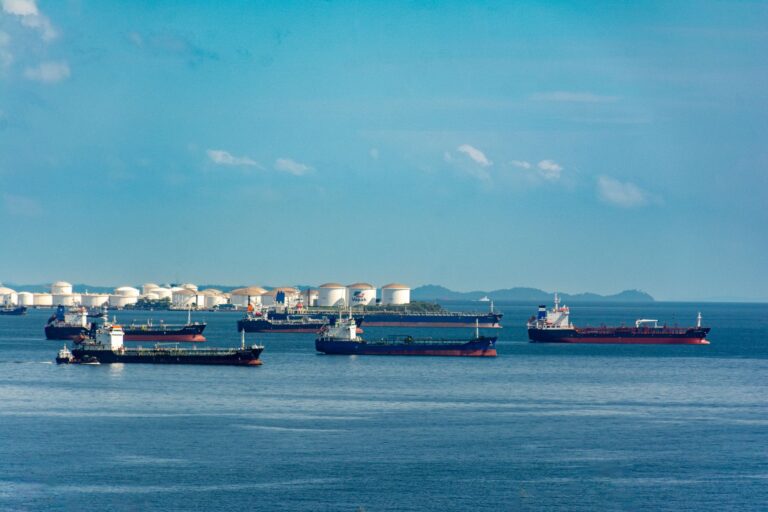
The think tank’s analysis warns that renewed military tensions could trigger oil price spikes, disrupt critical shipping routes through the Strait of Hormuz, and compound inflationary pressures that have only recently begun to ease. Around 20% of the world’s oil supply passes through the narrow waterway between Iran and Oman.
Energy Prices at Risk
Oil markets have already shown volatility in recent weeks, with Brent crude fluctuating between $75 and $82 per barrel. But analysts warn that direct military engagement could push prices beyond $100 per barrel within days. That’s a scenario that would hit British households hard, driving up petrol costs and feeding into broader inflation across the economy.
The government’s challenge isn’t just about immediate price shocks. It’s about managing a delicate balancing act between supporting consumers, maintaining fiscal discipline, and avoiding a return to the kind of emergency interventions seen during the energy crisis of 2022-2023.
Supply Chain Vulnerabilities
Beyond energy, the Institute for Government identifies significant risks to UK supply chains. British businesses import roughly £3.2 billion worth of goods annually that transit through Middle Eastern shipping lanes. Pharmaceutical ingredients, electronic components, and food imports could all face disruption if maritime insurance costs surge or shipping companies reroute vessels around Africa.
Some manufacturers have already begun stockpiling critical components.
A senior government official, speaking on background, acknowledged the concerns: “We’re working across departments to ensure we have robust plans in place. The Treasury, BEIS, and the Cabinet Office are coordinating closely on economic resilience measures.”
Policy Options Limited
Yet the government’s room for manoeuvre looks constrained. Public finances remain tight after years of elevated spending, and the Bank of England has limited flexibility to respond to imported inflation without risking its hard-won credibility on price stability.
The Institute for Government recommends establishing a cross-departmental taskforce now, before crisis conditions emerge. It also suggests reviewing strategic reserves and accelerating conversations with alternative suppliers outside the region.
For now, Treasury officials are monitoring developments hourly. But if the conflict intensifies, Britain could face economic consequences that test the government’s crisis management capabilities in ways not seen since the pandemic’s early days.