
UK inflation falls to 2.8%: Energy Price Cap delivers a rare win for the Treasury
UK consumer prices rose 2.8% in the year to April 2026, down sharply from 3.3% in March and well below market expectations of around 3.0%. The figure, the lowest in over a year, was driven primarily by the introduction of the energy regulator’s new household price cap on 1 April and by a marked slowdown in housing services inflation. For a Labour government starved of positive economic headlines, the data point delivers a rare and politically valuable result.
The drivers of disinflation
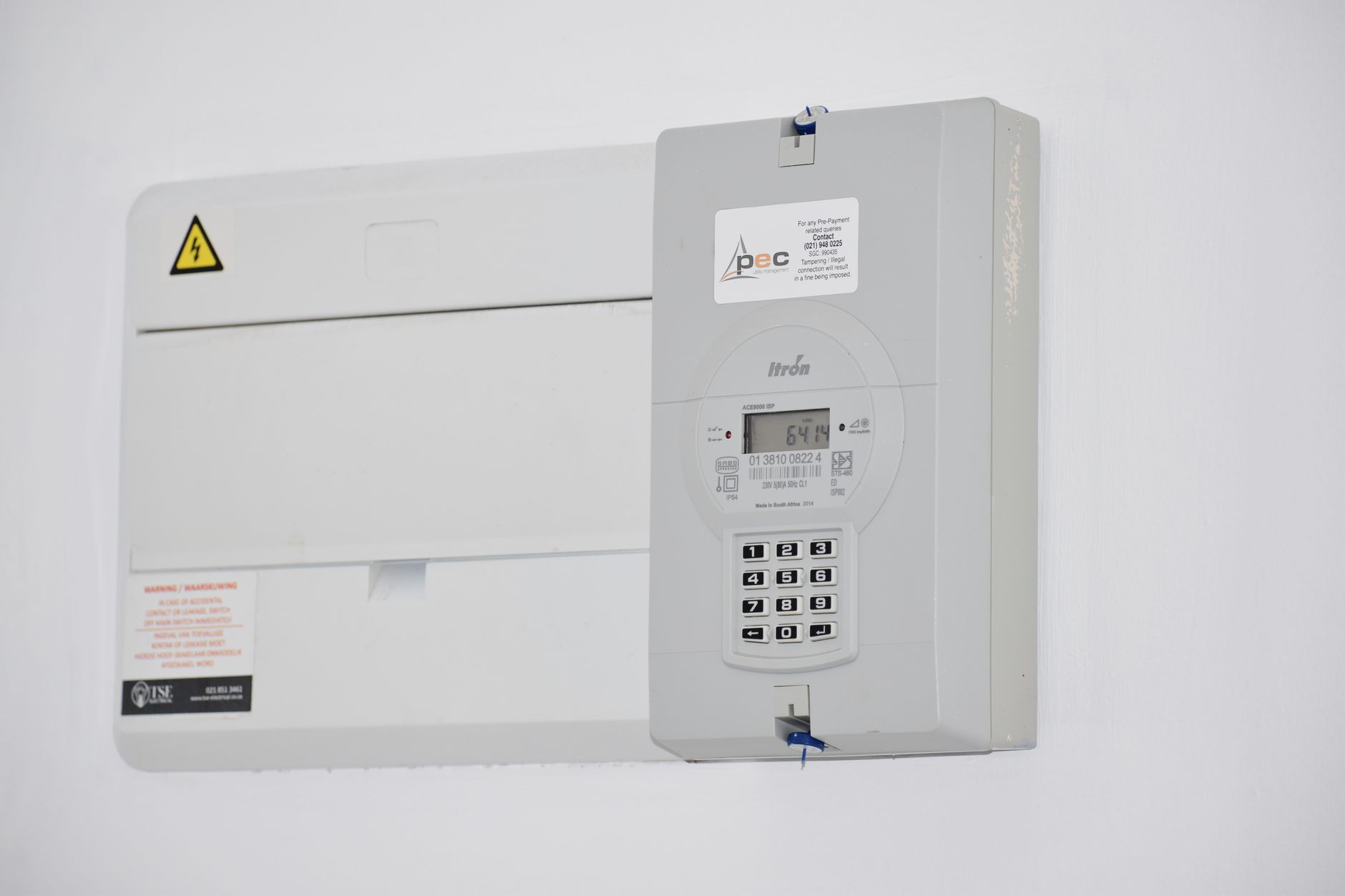
The headline number masks a striking compositional shift. Housing and household services inflation collapsed from 5.3% in March to 1.4% in April — a 3.9-percentage-point swing that single-handedly explains much of the deceleration. The driver is the energy price cap revision, which lowered standard variable tariffs from the start of the month. Transport inflation eased modestly, with motor fuel prices still up 23% year-on-year — the dominant remaining inflationary force — but a softer rate of change in vehicle excise duty contributing to the moderation.
What did not fall
Core inflation, which strips out energy and food, remains a more sobering reading. The annual core rate stood at 3.1% in March and is unlikely to have fallen dramatically in April given the sticky behaviour of services prices. Wage growth, which the Bank of England watches closely as a guide to underlying inflationary pressures, continues to run above what would be consistent with a sustainable return to the 2% target. The disinflation, in other words, is real but narrowly based.
The Treasury’s framing
Chancellor Rachel Reeves moved quickly to claim the result as evidence that Labour’s economic strategy is working. The framing fits Treasury communications since the Spring Statement, which has emphasised the long road back to fiscal sustainability and the importance of “turning a corner” in 2026. Whether voters experience the inflation moderation as a tangible improvement in living costs is, however, a different question — the price level remains substantially higher than it was at the start of Labour’s term, and real wage gains will need to compound for some time before household budgets feel meaningfully easier.
The Bank of England’s reading
The Bank’s Monetary Policy Committee will treat the April figure as one data point in a complex picture. The MPC’s preliminary forecast, communicated on 19 March, was that CPI would run between 3% and 3.5% in the second and third quarters of the year, primarily because of energy-price effects from the Iran conflict. The April outturn at 2.8% comes in below the lower bound of that range — a positive surprise, but one driven heavily by the energy price cap rather than a generalised easing of underlying pressure. The Bank will need to see services inflation moderate before any rate cut becomes likely.
The IMF view, in context
The IMF’s recommendation that the Bank hold rates rather than hike — published this week — reads slightly more cautiously after the April data. With inflation moving in the right direction, the case for further tightening becomes harder to sustain, even allowing for the upside risks the Fund identifies. The market consensus, as expressed in gilt pricing, has shifted modestly towards a hold-with-possible-cut posture for the second half of the year.
The European comparison
Across the Channel, the inflation picture is mixed. Germany’s annual rate accelerated to 2.9% in April, driven by the same energy shock that has affected the UK, while euro-area headline inflation eased to 1.7% in January before drifting back upward. The UK’s persistent gap above core European levels reflects both the lingering effects of post-Brexit trade frictions and the structural weakness of British productivity growth — factors that monetary policy cannot directly address.
What April changes politically
For the Treasury, the April number is a moment of fragile relief. For the Bank of England, it strengthens the dovish case. For households, the lived experience will lag by several months: bills set at higher unit rates in earlier periods will continue to flow through monthly outgoings, and food and core services inflation remain elevated. The political payoff, in other words, will be slow — but in a moment when the government is running short on positive economic signals, slow is better than none.
What to watch next
The May CPI release, due in mid-June, will be the next critical reading. Markets and policymakers will be watching to see whether the disinflation extends beyond the energy-cap base effect, and whether core inflation finally shows the kind of decisive moderation that would unlock a rate cut. On current trends, that moment looks closer than it did a quarter ago — but the Bank’s caution, and the lessons of past false dawns, suggest that policymakers will want to see at least one more clean print before changing course.