Starmer faces deepest premiership crisis as 95+ Labour MPs call for resignation and Burnham eyes Westminster return
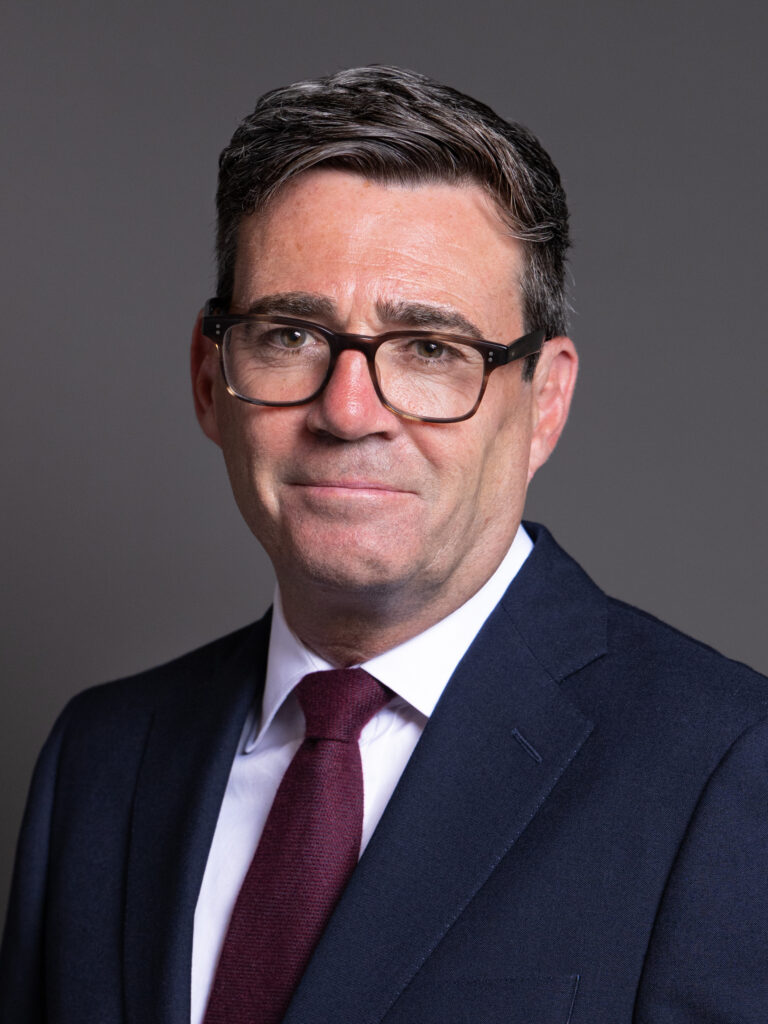
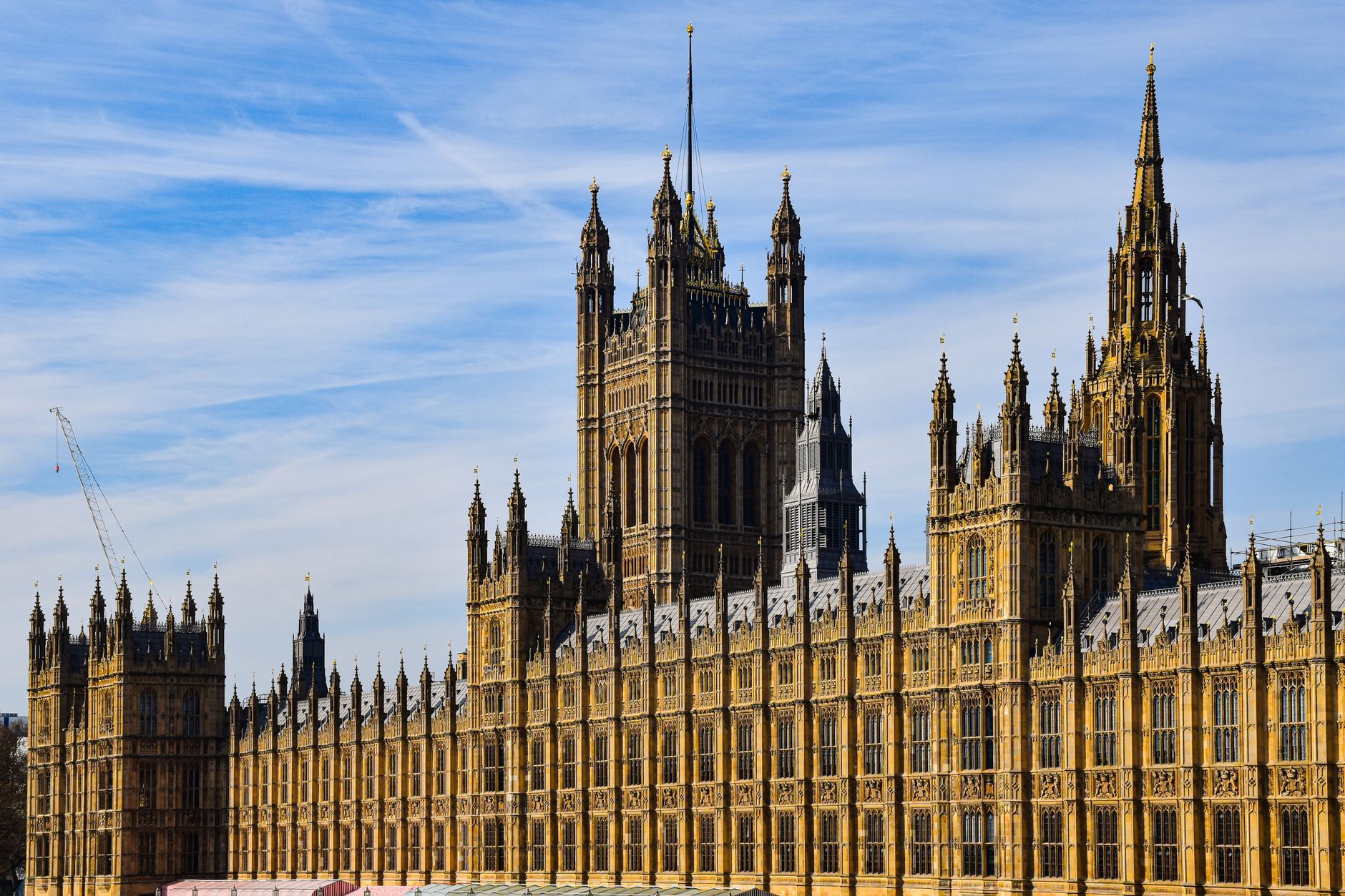
Sir Keir Starmer enters one of the most precarious phases of his premiership as more than 95 Labour MPs have now publicly called on him to resign or set out a clear departure timetable. The internal party rebellion, building since the May 2026 local elections in which Labour lost nearly 1,500 council seats, has accelerated sharply since the National Executive Committee approved Andy Burnham’s candidacy for the Makerfield by-election on 15 May, opening a credible Westminster path for the Greater Manchester Mayor.
The Makerfield by-election
The by-election was triggered by the 14 May resignation of Josh Simons as MP for Makerfield. On the morning of his resignation, Burnham confirmed via X that he would request NEC permission to stand. The Guardian reported that Starmer would not seek to block Burnham this time — a notable departure from the 2024 stance — and the NEC formally approved Burnham’s candidacy in the upcoming selection process on 15 May. The arithmetic of a Labour leadership contest then begins to look more credible: at least 81 of the 403 current Labour MPs would need to unite behind a single challenger to trigger a formal contest.
YouGov: -57, matched only by Truss
By January 2026, YouGov found that 75% of voters held an unfavourable opinion of Sir Keir Starmer, giving him a net favourability rating of -57 — a level only matched in modern UK polling by Liz Truss at the height of her brief premiership. Luke Tryl of polling company More in Common observed that Starmer had “become a vessel for people’s frustration with the system.” Local elections held on 1 May confirmed the trajectory: Labour suffered widespread losses in English councils, while Reform UK and the Green Party made significant gains.
The contenders
Multiple potential successors have emerged. Wes Streeting, the current Health Secretary, hails from the right flank of the party and is widely seen as Starmer’s most determined internal rival, with longstanding leadership ambitions; he was notably silent on leaving the critical Cabinet meeting in mid-May. Angela Rayner, formerly Starmer’s right-hand woman and deputy prime minister, resigned in 2025 over the controversy regarding her property tax payments but retains substantial backbench affection. Burnham, an MP between 2001 and 2017 before moving to Manchester, would represent a return of the party’s soft-left tradition.
Unite the Union cuts funding
In March 2026, Unite the Union, one of the largest trade unions, cut its Labour affiliation funding by 40%, citing what it described as “Labour’s incompetent behaviour” in handling the Birmingham bin strike. The decision was a major financial and symbolic blow, given Unite’s historic role as one of the party’s principal donors. It echoed wider concerns on the Labour left over welfare reform, the government’s stance on the Gaza War, and its refusal to introduce a wealth tax.
Cabinet under pressure
The Cabinet meeting held in mid-May was reported by the political press as Starmer’s “final chance to save his premiership”. The Prime Minister has so far rejected calls for resignation, telling reporters: “Let me be clear, these are really tough results, I’m not going to sugar-coat it.” But the absence of clear public backing from senior Cabinet ministers — notably Streeting — has reinforced the impression of an administration adrift, less than two years after the largest landslide in UK electoral history.
Reform UK and Farage in the wings
Beyond Labour’s internal arithmetic, the politics of the next general election are reshaping rapidly. Reform UK, led by Nigel Farage, posed with winning councillors outside Havering Town Hall after the 8 May 2026 local elections, in what was widely interpreted as confirmation of Reform’s emergence as a credible national force. National polling consistently places Reform ahead of Labour, raising the spectre of a transformed political landscape ahead of the planned 2029 general election.
Markets watching closely
The political uncertainty is increasingly factored into UK markets. According to Caterina Batog, an analyst at the British Chambers of Commerce, “the UK economy has been stuck in a cycle of sluggish growth for several years. Productivity continues to lag behind other advanced economies, business investment remains weak, and political uncertainty has weighed heavily on business confidence.” Sterling traded near the bottom of its 2026 range against the euro in the week of 19 May, and gilt yields drifted higher on growing speculation about a leadership change.
What happens next
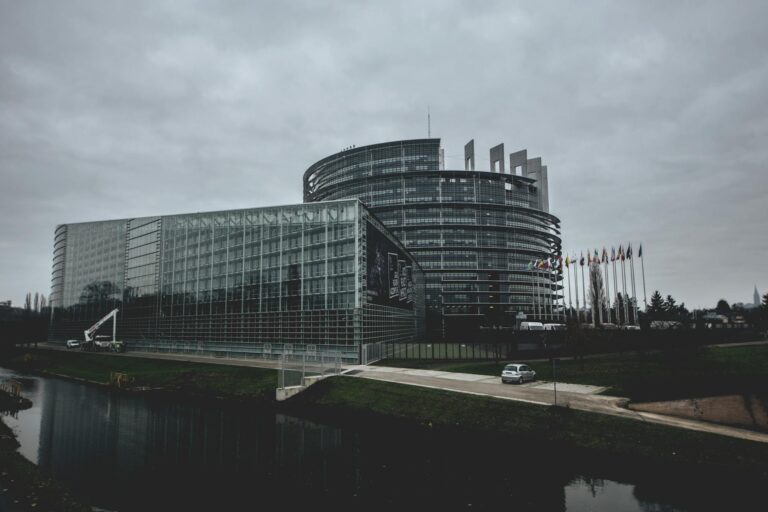
The most likely flashpoint is the Makerfield by-election — should Burnham win convincingly, the pressure on Starmer would become almost certainly untenable. In parallel, Starmer faces a Commons vote on the welfare reform package in early June, where dozens of Labour rebellions are now in prospect. The combination of an internal mathematics that approaches a tipping point, a hostile public opinion, and an organised opposition makes the next month potentially decisive for Downing Street. Brussels watches with concern, given the implications for EU-UK relations and the General Affairs Council’s policy debate scheduled for the coming week.