Spanish wildfire survivors speak out after deadly blaze kills friends
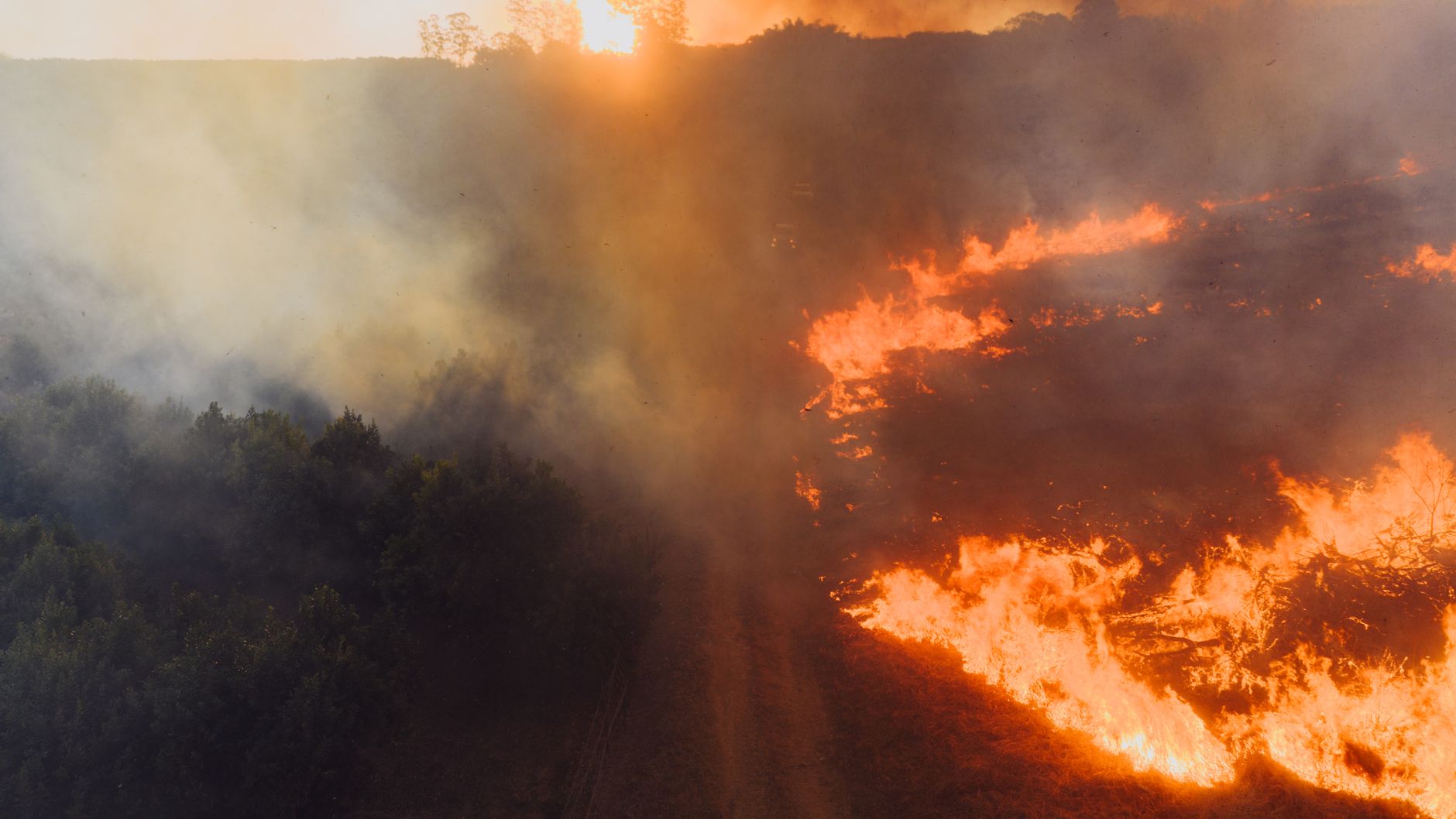
A Spanish wildfire tearing through the southern region of Málaga has left at least four people dead and forced thousands to flee their homes, with survivors now recounting the frantic moments they escaped — and the unbearable grief of losing those who didn’t.
Racing against the flames
Marta Delgado, 43, was at her family’s farmhouse near the town of Álora when she smelled smoke just after 2 a.m. on Tuesday. She grabbed her two children and drove through a wall of orange haze so thick she couldn’t see more than ten metres ahead. “We just drove,” she said. “We didn’t know which direction was safe. We just drove and prayed.”
Her neighbours, a retired couple in their seventies, weren’t as lucky. They were among those confirmed dead after the fire swept through the hillside community with extraordinary speed, fanned by winds gusting up to 80 kilometres per hour. Marta learned of their deaths hours later, sitting in an emergency shelter in Málaga city. She’s still processing it.
Hundreds of firefighters deployed
Spain’s emergency services mobilised more than 450 firefighters, supported by 14 aerial units including water-bombing planes and helicopters. Still, the terrain — steep, dry, and dense with scrubland — made containment brutally difficult. By Wednesday morning, the blaze had scorched over 2,800 hectares and was only partially under control.
The regional government of Andalusia declared a state of emergency and activated evacuation orders for nine villages. Around 3,200 residents were displaced, with many spending Tuesday night in school gymnasiums and community centres converted into temporary shelters.
“We are doing everything humanly possible, but these conditions are extreme,” said a spokesperson for the Andalusia emergency coordination unit. “The combination of heat, wind, and drought has created a perfect storm.”
‘We lost people we loved’
For those who escaped, survival comes wrapped in guilt and grief. Tomás Ruiz, 61, a farmer from the village of Pizarra, said he managed to evacuate his livestock and himself but watched three homes on his street burn to the ground. Two of them belonged to close friends.
He didn’t sleep that night. He still hasn’t heard from one of them.
Stories like Tomás’s are spreading through evacuation centres across the region, stitching together a portrait of a community that survived but isn’t yet whole. It’s the kind of trauma that doesn’t end when the flames do.
A summer of fire warnings ignored
Spain has been battling increasingly severe wildfire seasons. This year’s summer brought record-low rainfall across Andalusia — some areas received just 12 percent of their historical average precipitation between January and June. Scientists and local environmental groups had warned for months that conditions were dangerous. Those warnings, critics say, didn’t translate into adequate preparation.
With temperatures expected to stay above 38°C through the weekend and wind speeds remaining elevated, firefighters won’t get the relief they desperately need anytime soon. The coming days will determine whether this blaze becomes one of Spain’s worst on record — or whether a shift in weather finally gives crews the upper hand.