National Portrait Gallery pulls display after Churchill famine row
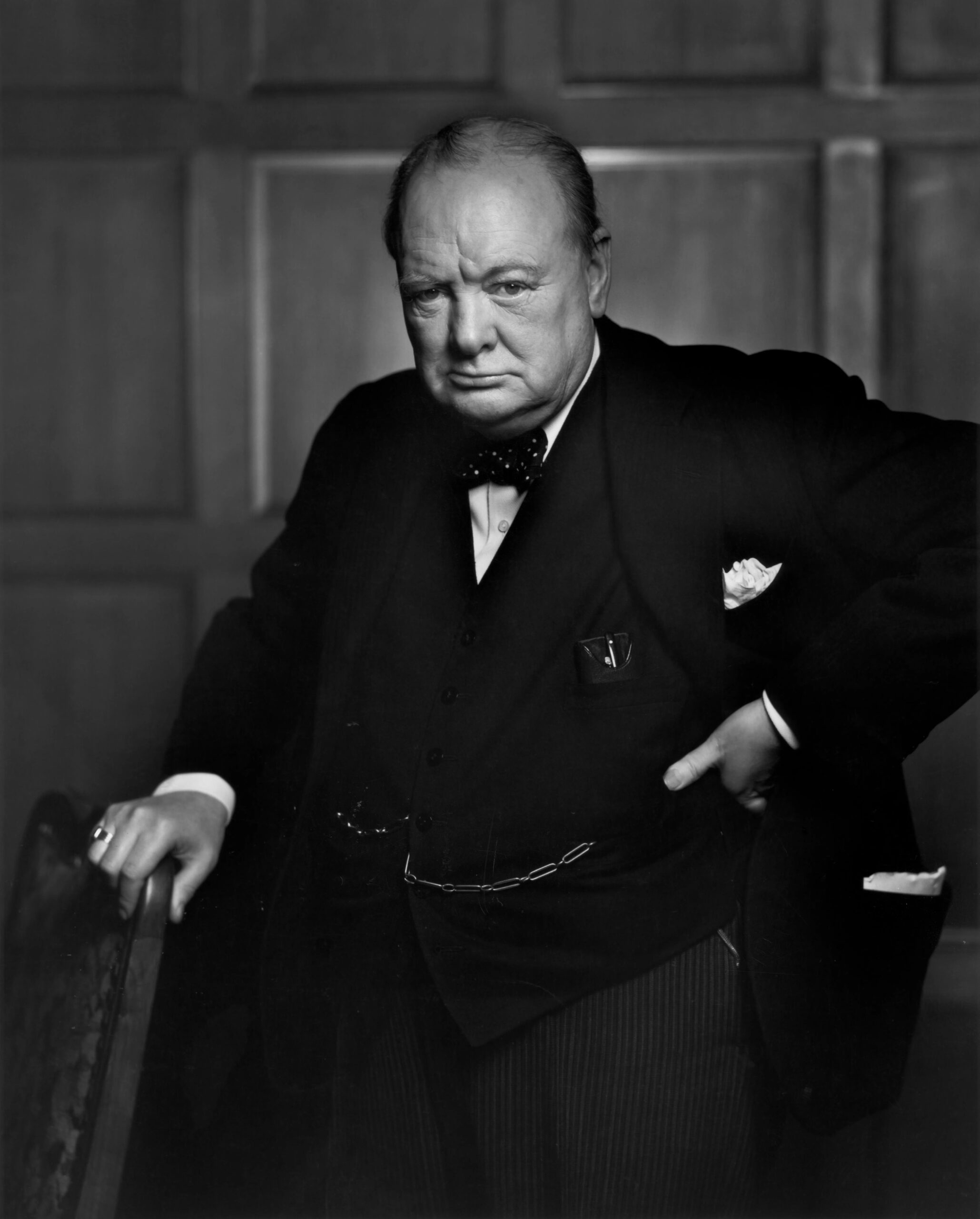
The National Portrait Gallery has withdrawn a video installation after it sparked a fierce public debate over its portrayal of Winston Churchill and his alleged role in the 1943 Bengal famine, which killed an estimated three million people.
What the display showed
The piece, part of a broader contemporary art programme at the London gallery, included claims that Churchill bore direct responsibility for the Bengal famine through deliberate wartime policy decisions. It drew on a contested body of historical literature, including arguments made by author Madhusree Mukerjee, who has argued that British grain exports and Churchill’s personal indifference worsened the catastrophe. Critics immediately pushed back, calling the framing one-sided and historically reductive. Churchill’s defenders pointed to the complexity of wartime logistics, supply chain failures, and regional administrative breakdowns as factors the display allegedly ignored.
The row went public within days of the installation opening, with complaints flooding the gallery’s inbox and several prominent commentators and politicians weighing in on social media.
Gallery’s decision and response
The gallery confirmed it had removed the work while it carries out what it described as a review of the content’s historical accuracy. A spokesperson said the institution “takes seriously its responsibility to present history with rigour and balance” and that the decision was made to allow time for proper reassessment.
That statement hasn’t satisfied everyone. Some curators and free speech advocates argue the withdrawal sets a troubling precedent — that public pressure alone, rather than any factual error, was enough to pull a commissioned artwork. Others say the gallery made the right call.
The Bengal famine debate
The historical record on Bengal is genuinely contested. Mainstream historians broadly agree the famine was a man-made disaster worsened by wartime priorities, but there’s significant disagreement about individual culpability. Churchill did block some food aid shipments to Bengal in 1943, and he made remarks about Indians that were, by any measure, deeply callous. But attributing the deaths of three million people to one man’s decisions alone is a stretch that many academics aren’t willing to make.
And that’s precisely where the display ran into trouble.
The installation reportedly cited specific death tolls and causal links in ways that historians contacted by the gallery’s own advisory board couldn’t fully verify. So the problem wasn’t simply that it was provocative — it’s that some of its claims didn’t hold up to scrutiny.
What happens next
The gallery hasn’t said whether the work will return in a revised form or be permanently withdrawn. The artist hasn’t commented publicly yet, though sources close to the project say they’re in ongoing talks with the institution.
Britain’s ongoing culture wars mean this won’t blow over quietly. With a general election cycle still fresh and debates about empire, memory and public space more charged than ever, the National Portrait Gallery will be watching its next move very carefully. Whatever it decides, it’s unlikely to please everybody.