Italy reaffirms solidarity with Gulf partners as Meloni tours region amid Hormuz crisis
Italian Prime Minister Giorgia Meloni has employed a series of bilateral meetings to reaffirm her country’s solidarity with Gulf partners affected by the ongoing Middle East crisis, whilst pressing for international co-ordination to safeguard freedom of navigation in the Strait of Hormuz.
During a sequence of high-level encounters held over the past fortnight, the Italian premier received expressions of gratitude from the Emir of Kuwait for defence systems supplied by Rome and exchanged views with regional counterparts on prospects for de-escalation. Italy has positioned itself as a constructive interlocutor between European partners and Gulf monarchies, drawing on long-standing energy and commercial ties.
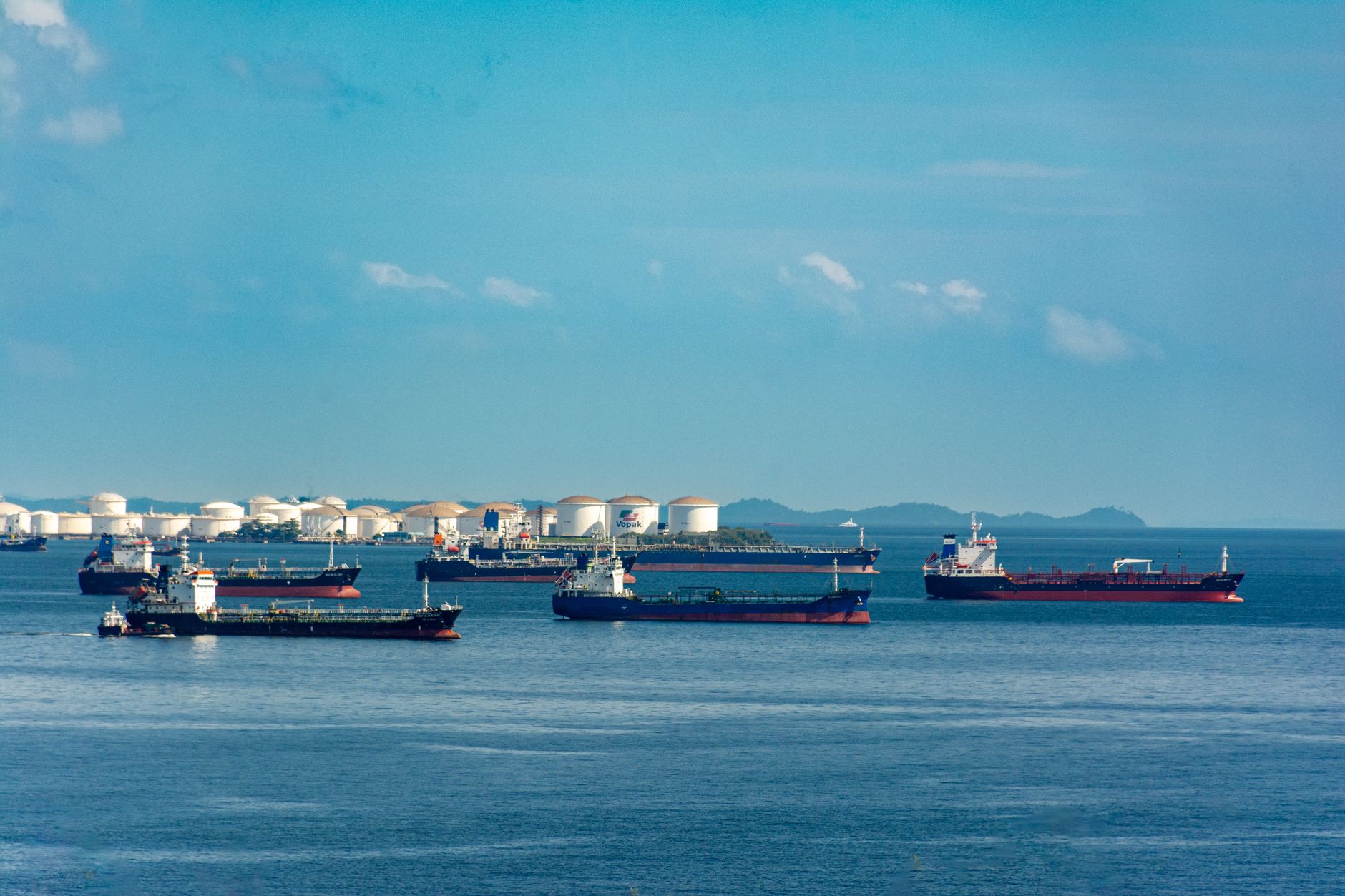
The Strait of Hormuz, through which a significant share of the world’s oil and liquefied natural gas passes, has been a flashpoint since the outbreak of the Middle East war. As shipping insurers re-price risk for tankers transiting the corridor and several major shipping lines divert vessels, the impact on European energy security has been immediate and material.
Italy’s diplomatic activism extends beyond the immediate crisis. On the margins of the European Political Community Summit in Yerevan, Prime Minister Meloni co-chaired the second meeting of the European Coalition against Drugs alongside French President Emmanuel Macron, advancing an Italian-French initiative aimed at strengthening co-operation against drug trafficking networks operating across the Mediterranean and Europe.
Domestically, the government has faced the dual challenge of supporting Italian companies exposed to higher energy prices and managing public concern over migration flows that have intensified amid regional instability. Targeted measures to cushion the impact on energy-intensive industries have been combined with continued advocacy at the European level for joint procurement of natural gas and the strategic stockpiling of critical supplies.
Opposition parties have criticised what they describe as the government’s selective approach to Middle East diplomacy, pointing in particular to Rome’s position on the EU-Israel Association Agreement and to the broader question of how human rights conditionality is applied to the bloc’s external partnerships. The debate has played out in parliamentary committees and within a particularly active civil society space.
Looking ahead, Italy’s diplomatic agenda includes preparations for the next European Council, where leaders are expected to consult on the future architecture of the bloc’s relationship with its southern and eastern neighbourhoods. Rome’s distinctive geographic position, at the crossroads between Europe and the Mediterranean, gives the Meloni government both an opportunity and a responsibility to shape that conversation.