Burnham blames Brexit and Thatcher for UK’s ‘wrong turns’
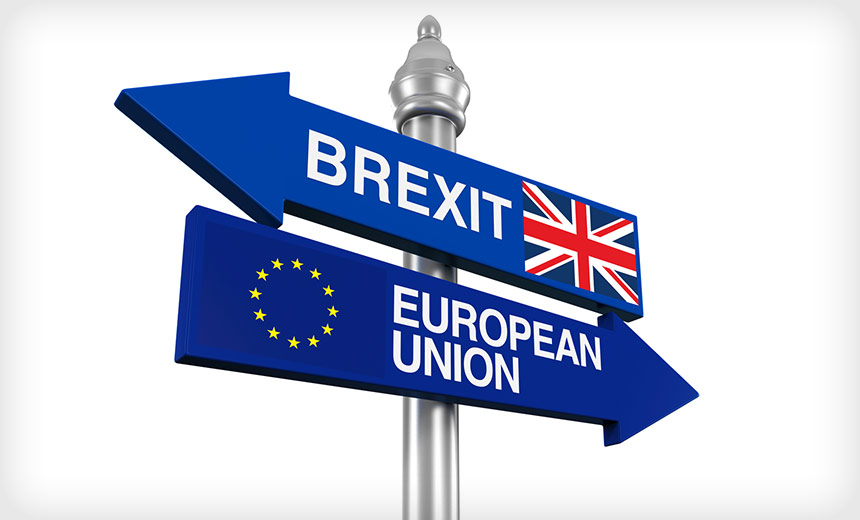
Andy Burnham stood at the despatch box on Wednesday for the first time as Prime Minister and wasted absolutely no time picking a fight with history. In a debut Commons address that ran just over 40 minutes, Britain’s new leader identified two “fundamental wrong turns” that he argued had hobbled the country for generations: the decision to leave the European Union and what he called the “ideological experiment” of Thatcherite economics that began in 1979.
It was a remarkable opening statement. Bold, deliberately combative, and almost certain to define the early weeks of his premiership in ways his team must have fully anticipated.
What Burnham actually said
Speaking to a packed chamber, Burnham pointed to Office for Budget Responsibility figures showing that Brexit has reduced UK trade intensity by an estimated 15 percent compared to a counterfactual where Britain remained in the single market. He didn’t soften it. “We chose to cut ourselves off from our largest trading partner,” he told MPs, “and we are paying for that choice every single day in lower wages, higher prices, and a public sector that can’t recruit the people it needs.”
On Thatcher, he was equally direct. He argued that the privatisation wave of the 1980s — water, rail, energy, telecoms — had transferred public wealth into private hands without delivering the efficiency gains that were promised. “We were told the market would solve everything,” Burnham said. “Forty-five years later, our water is polluted, our railways are a national embarrassment, and our energy bills are among the highest in Europe.”
But he also acknowledged, briefly, that Labour governments between 1997 and 2010 hadn’t always pushed back hard enough against inherited structures. It was a careful concession, designed to pre-empt the obvious opposition line of attack.
The reaction across the chamber
Conservative benches erupted more than once. Opposition leader Kemi Badenoch accused Burnham of “relitigating the 1980s instead of governing in 2025,” and argued that his framing of Brexit was “contemptuous of the democratic will of 17.4 million people.” She got a solid cheer from her side.
Still, it was the Labour benches that told the more interesting story. Senior backbenchers — many of them representing constituencies in the Midlands and North that voted Leave in 2016 — sat noticeably quiet during the Brexit passages. A handful didn’t applaud. One MP, speaking anonymously after the session, described the Brexit section as “brave, possibly too brave for day one.”
A senior government official, speaking on background, insisted the framing was intentional. “The Prime Minister believes you can’t fix the problems without being honest about the causes,” the official said. “He’s not interested in managed decline dressed up as pragmatism.”
Reform UK’s benches, meanwhile, were gleeful. Nigel Farage called it a “gift” and promised to spend the next several years reminding Leave-voting constituencies that their Prime Minister considers their 2016 decision a mistake.
The policy substance behind the rhetoric
Burnham’s speech wasn’t purely historical. Buried inside the political theatre were three concrete policy signals that Whitehall watchers will be tracking closely over the coming months.
First, he confirmed that the government will publish a full “Brexit audit” by the end of March — a comprehensive economic assessment of the costs and benefits of leaving the EU since January 2021. Treasury sources expect it to make uncomfortable reading regardless of political affiliation.
Second, Burnham announced an independent commission on public ownership, tasked with reporting by autumn on which privatised industries should be candidates for renationalisation. He was careful not to commit to a specific list, but water and rail featured prominently in his speech, and nobody in the room missed the implication.
Third, and perhaps most significantly, he confirmed preliminary discussions with Brussels on a new “structured partnership” that would stop short of single market re-entry but would seek to reduce what officials are calling “Brexit friction” on goods, services, and professional qualifications. No timeline was given. The EU side has made no public comment yet.
What comes next
The next 90 days will test whether Burnham’s historical diagnosis translates into actual governing momentum. His majority — 67 seats — is workable but not comfortable, and at least two dozen Labour MPs represent constituencies where his Brexit remarks will require careful handling at the local level.
The Brexit audit alone could trigger a sustained political storm. If the numbers confirm the scale of economic damage that independent economists have estimated — some put the long-run GDP cost as high as 4 to 5 percent — the pressure on Burnham to do more than commission reports will become intense. And fast.
And yet there’s a version of this where Wednesday’s speech looks, in retrospect, like a calculated bet that pays off. Burnham is wagering that enough of the country — and crucially enough of his parliamentary party — is now ready to hear an honest account of recent history, even a painful one. Whether Britain is actually ready for that conversation is the question his entire first term may turn on.