Andy Burnham’s powers as mayor: what he can actually deliver
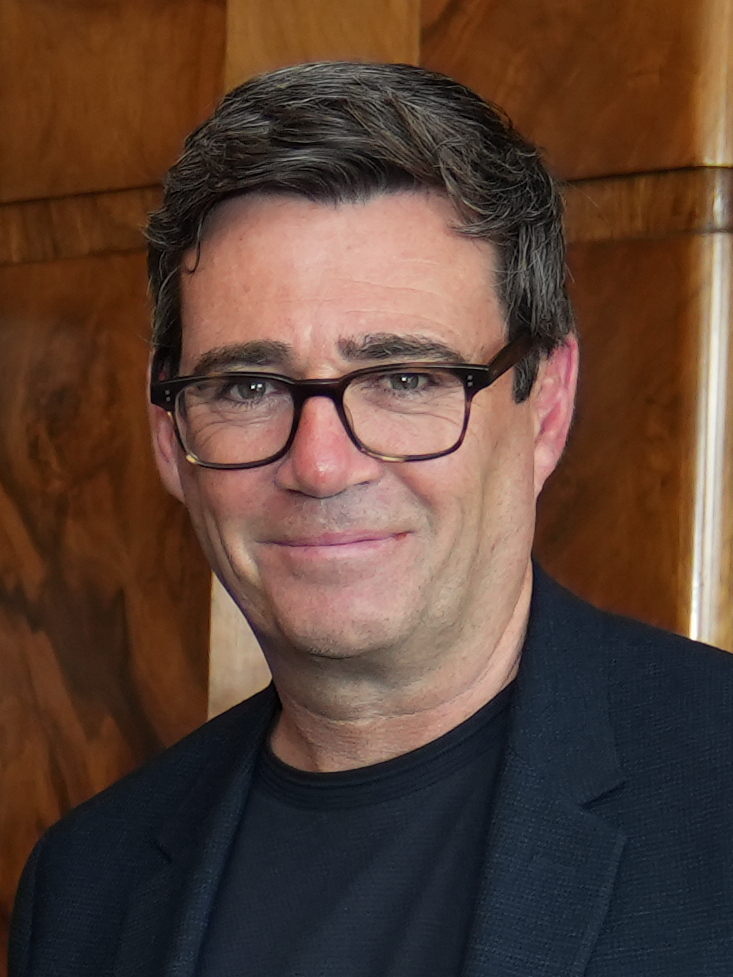
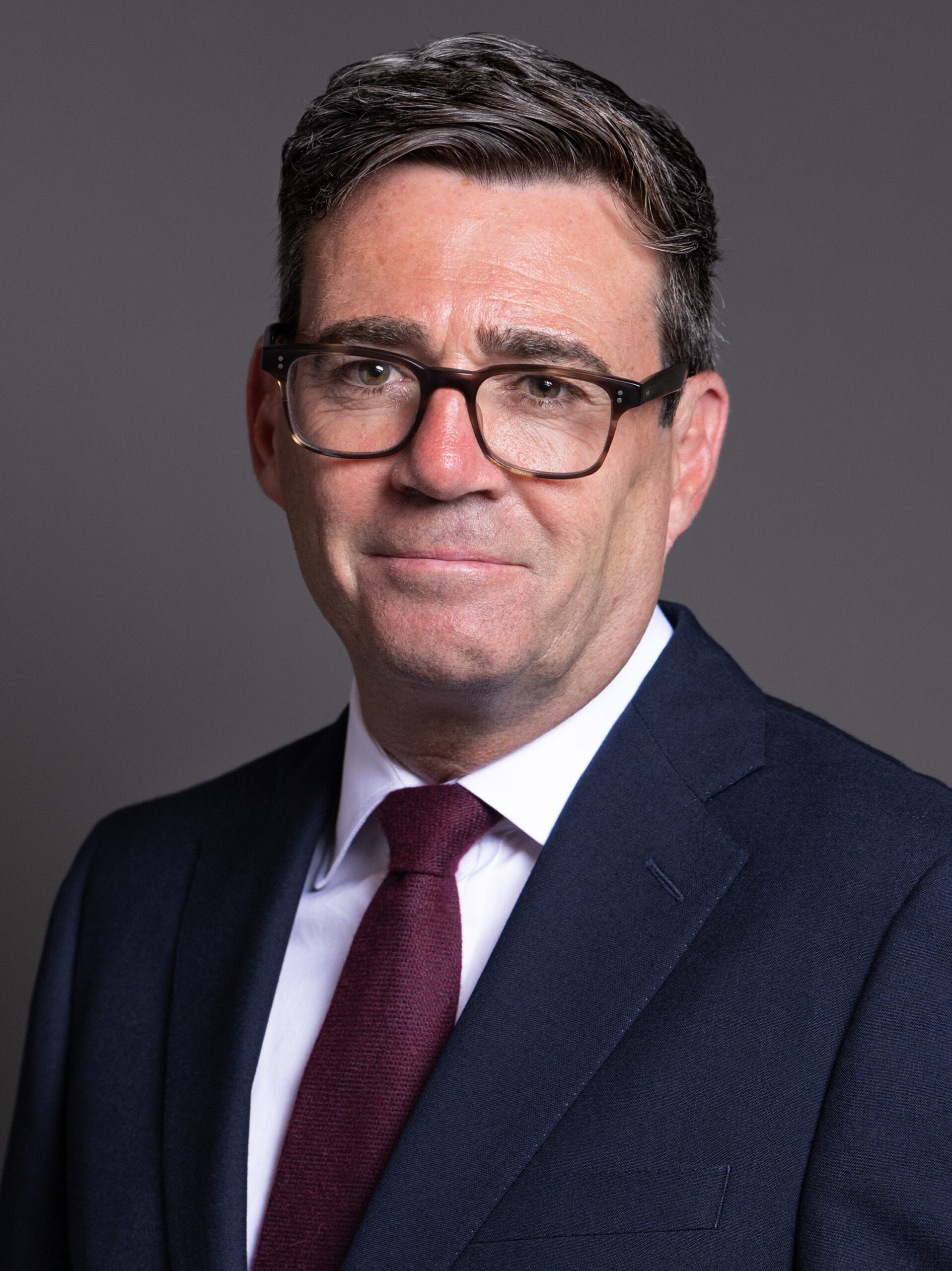
Andy Burnham has built a national profile that most regional politicians can only dream of. But strip away the rhetoric and the question remains stubbornly practical: what can Greater Manchester’s mayor actually do, and where does his authority hit a hard wall?
The powers on paper
Burnham controls a combined authority budget running into billions, with direct influence over transport, housing strategy, and economic development across Greater Manchester’s ten boroughs. He oversees the Bee Network, the integrated bus and tram system that absorbed £1.07 billion in public investment and became one of his signature achievements since bus franchising launched in September 2023. He also holds responsibility for a devolved adult education budget and chairs the Greater Manchester Combined Authority, which coordinates policy across local councils.
So the levers exist. But they’re narrower than the mayoral megaphone suggests.
Where the limits bite
Health is the clearest example of ambition outrunning authority. Burnham spent years pushing for a ‘whole-person’ care model that would integrate NHS and social care under mayoral oversight. He hasn’t got it. NHS trusts in Greater Manchester still answer ultimately to NHS England, not to Burnham’s office. The same tension plays out in policing, where he chairs the Police and Crime Panel but doesn’t hold the direct commissioner powers that London’s mayor does.
Planning is another constraint. Burnham can set a spatial framework — and Greater Manchester’s runs to 2040 — but individual planning decisions rest with the ten constituent councils. If Salford and Stockport disagree with the strategic direction, Burnham’s options are limited to persuasion and political pressure.
What a senior policy analyst said
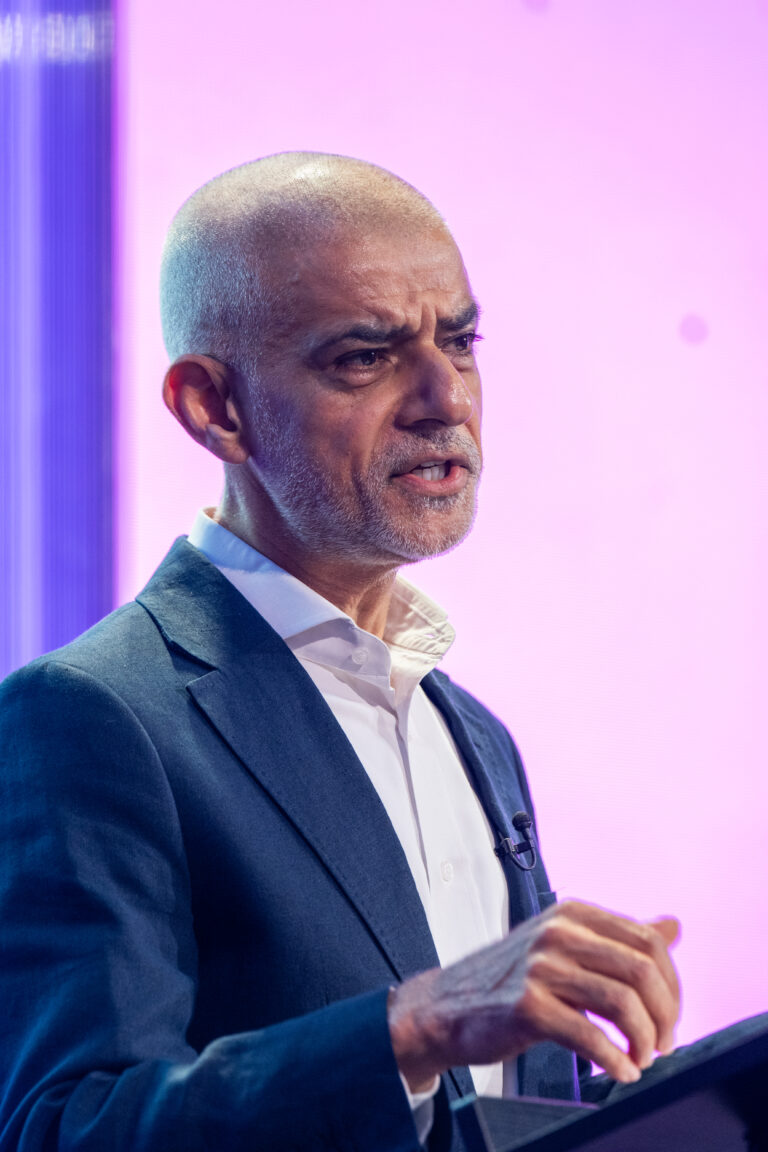
“The English devolution settlement gives metro mayors genuine influence in transport and skills, but health and welfare remain firmly centralised,” said one senior policy analyst familiar with the combined authority’s workings. “The gap between what voters think mayors can fix and what they’re actually empowered to do is still very wide.”
That gap matters enormously heading into any future political campaign.
The national ambition question
Burnham has done little to dampen speculation about a future Labour leadership run or even a tilt at Downing Street. His visibility during the COVID pandemic, when he publicly clashed with Boris Johnson over tier restrictions in October 2020 and secured an additional £22 million for Greater Manchester before eventually accepting a deal, showed he understood how to use the mayoralty as a platform.
But governing and campaigning are different disciplines. The Bee Network is tangible. The clean air zone controversies were painful. And the 2024 homelessness figures for Greater Manchester — still among the highest of any English city region — are a reminder that visibility doesn’t equal delivery.
Whether Burnham can translate genuine regional achievements into credible national leadership will depend less on his oratory and more on whether voters decide that what he’s built in Manchester is actually worth replicating everywhere else.