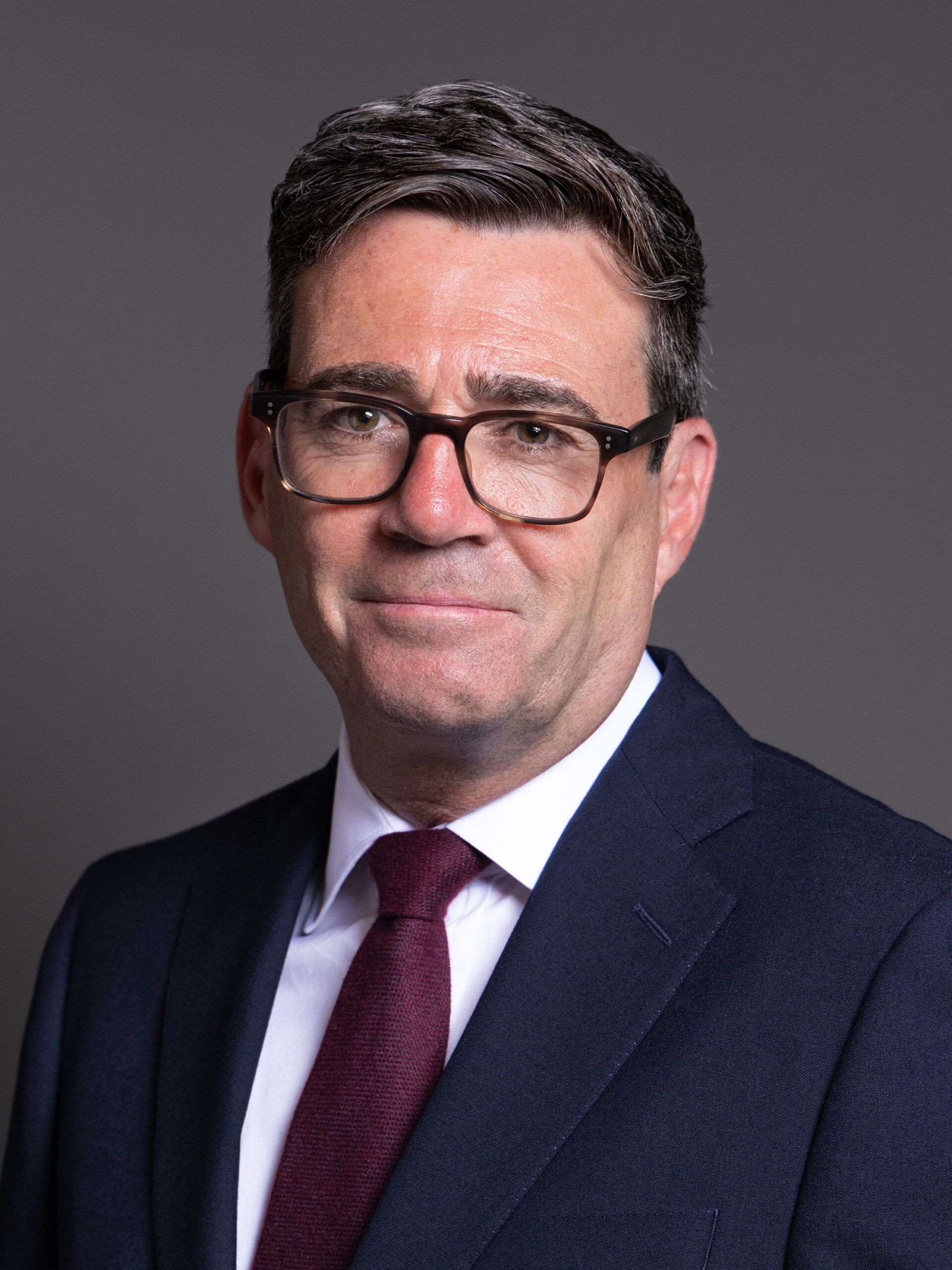
Andy Burnham’s political views laid bare ahead of leadership push
Andy Burnham, the Mayor of Greater Manchester, has spent years carefully positioning himself as Labour’s great hope for a future leadership bid — and a closer look at his record reveals a political outlook that’s harder to pin down than his supporters might admit.
Immigration: a softer touch than Starmer
Burnham has consistently pushed back against what he calls the “hostile environment” approach to immigration. He’s argued that cities like Manchester depend on migrant workers to keep public services and the hospitality sector functioning. But he’s also been careful not to be seen as an open-borders absolutist. During the 2024 general election campaign, he backed controlled immigration with stronger community integration programmes — a distinction he repeated in at least three separate interviews that year. It’s a nuanced line, and critics say it’s deliberately vague enough to appeal to both wings of the party.
The economy: a northern lens
His economic thinking is rooted, almost obsessively, in the idea of rebalancing power away from London. Since taking office in 2017, Burnham has pushed hard for greater fiscal devolution, arguing that Greater Manchester — with its 2.8 million residents and an economy worth roughly £74 billion — should control more of its own tax revenue. He wants a fundamentally different relationship between Whitehall and English cities. And that puts him at odds with a Treasury establishment that’s historically reluctant to loosen the purse strings.
He’s called for public ownership of rail and bus services, delivered on buses locally through the Bee Network, and backed a public-led approach to housing development. None of that is radical by historical Labour standards, but it places him well to the left of the current government on economics.
Public services and the NHS
Burnham was Health Secretary under Gordon Brown, and healthcare remains close to his political identity. He’s argued repeatedly for a single integrated health and social care system, something he’s trialled in Greater Manchester with mixed but broadly encouraging results. “What we’ve shown here is that you can join things up at a local level in a way that central government simply cannot,” a senior official in his mayoral team said last year.
The record on NHS waiting times in Greater Manchester has been uneven, though, and opponents are quick to point that out.
What does this mean for Labour’s future?
Burnham will be 55 by the time the next general election is due in 2029. That’s young enough to lead a party, but the window won’t stay open forever. His brand of metro-Labour politics — pro-public ownership, pro-devolution, cautious on immigration — is a deliberate attempt to win back working-class towns without alienating urban progressives.
Whether that’s a coherent vision or a careful straddle depends almost entirely on who’s asking the question.