Ancient grazing rights bring Gen Z Londoner to Welsh hills
A 24-year-old from Lambeth has exercised one of Britain’s oldest feudal privileges, travelling more than 160 miles to graze sheep on a windswept hilltop in South Wales — a right his family has held for centuries and that he was determined not to let quietly expire.
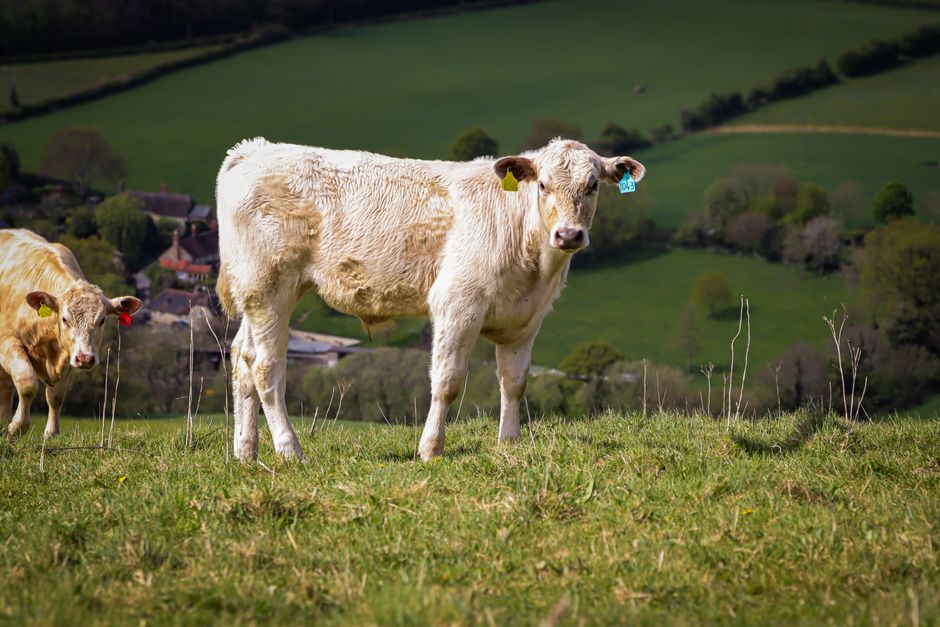
Caleb Tutt made the journey to Llantrisant Common in the Rhondda Cynon Taf valley earlier this month, bringing two Herdwick sheep to graze on the common land above the historic walled town. The right, known as a right of common of pasture, is attached to a historic property connection his family maintains and is registered under the Commons Registration Act 1965.
A birthright almost forgotten
Tutt, who works in digital marketing and grew up entirely in south London, said he only discovered the entitlement two years ago while sorting through old family documents. “I genuinely thought it was a joke at first,” he said. “Then I looked into it properly and realised it was completely real and still legally enforceable.”
He spent several months corresponding with Rhondda Cynon Taf County Borough Council and the Llantrisant Town Trust to confirm the right was still valid. It was. So last spring, he made arrangements with a local farmer to borrow two sheep for the day.
Why it still matters legally
Rights of common are ancient entitlements that predate modern property law. They can cover grazing, cutting peat, taking wood, or fishing — and they’re tied to land, not just bloodlines. But they can lapse if left entirely unexercised for long enough, or become subject to challenge.
A spokesperson for the Open Spaces Society, which campaigns to protect common land in England and Wales, said: “These rights are a living part of our land heritage. They’re not museum pieces. People are often surprised to discover they still hold them, and it genuinely matters that they’re used.”
There are roughly 553,000 hectares of registered common land in England and Wales. Many rights attached to that land sit dormant, held by people who have no idea they exist.
The day itself
Tutt arrived on a Tuesday morning in light rain. The common sits at around 200 metres above sea level, with views across the valley toward Pontypridd. He stayed for three hours, which he described as more than sufficient to formally exercise the right.
It wasn’t exactly a romantic rural idyll. But it wasn’t meant to be.
“I just wanted to do it properly,” he said. “Document it, make it real. It felt important somehow.”
What comes next
Tutt says he plans to exercise the right again next year and is now looking into whether other dormant entitlements exist in the same bundle of historic documents. He’s also been contacted by several people online who suspect they may hold similar rights and don’t know where to start.
For a generation often accused of having no connection to the land, it’s a quietly unexpected story.