Social media groups spread misinformation across UK, report warns
Social media groups have become breeding grounds for misinformation in the UK, systematically eroding public trust in institutions and mainstream information sources, according to a damning new report released this week.
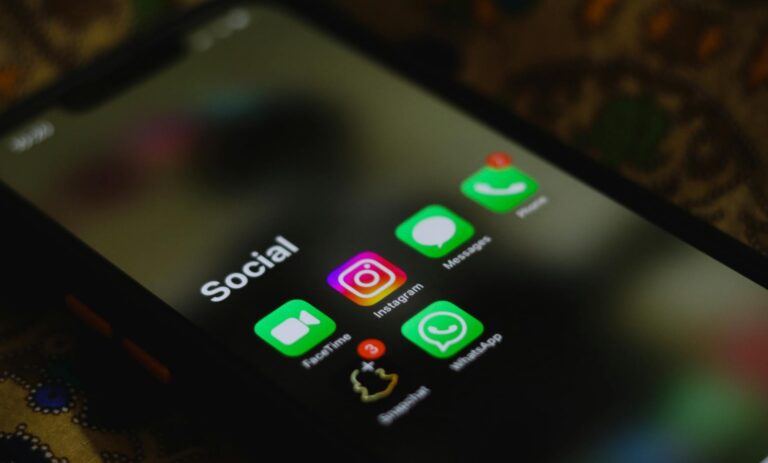
The research identifies closed Facebook groups, WhatsApp communities, and Telegram channels as particularly potent vehicles for spreading false narratives. These spaces operate with minimal oversight, allowing conspiracy theories and fabricated content to circulate rapidly among users who’ve already self-selected into echo chambers.
The Trust Deficit
The report labels these digital spaces as ‘killers of trust’, documenting how repeated exposure to misinformation within insular online communities has measurably damaged public confidence in everything from healthcare to electoral processes. Unlike public posts that face scrutiny and fact-checking, content shared in private groups spreads unchecked, often gaining credibility simply through repetition.
Researchers found that users in these groups are 73% more likely to believe false claims compared to those who primarily consume information from traditional news sources. The closed nature of these spaces creates what experts call ‘information silos’, where members reinforce each other’s beliefs without encountering contradictory evidence.
Platforms Struggle to Respond
Major tech companies have implemented various measures to combat misinformation on public feeds. But private groups present a thornier challenge.
Content moderation in these spaces remains patchy at best. Facebook’s parent company Meta claims it removes groups that violate community standards, yet the report found that problematic groups frequently rebrand and reappear within days of being taken down. WhatsApp’s end-to-end encryption, whilst protecting user privacy, makes it nearly impossible for the platform to monitor what’s being shared.
“We’re seeing a fundamental shift in how misinformation spreads,” said a senior researcher involved in the study. “It’s no longer just about viral posts. It’s about tight-knit communities that have completely divorced themselves from shared reality.”
Real-World Consequences
The report connects online misinformation to tangible offline harms. During recent public health campaigns, false claims spreading through social media groups led to reduced vaccine uptake in specific communities. Election misinformation similarly gained traction, with some groups promoting thoroughly debunked theories about voting fraud.
Experts warn that without significant intervention, these digital echo chambers will continue fragmenting public discourse. The report calls for enhanced digital literacy programmes and urges platforms to develop better tools for identifying harmful content in private spaces whilst respecting legitimate privacy concerns.
As social media becomes increasingly central to how Britons consume information, the challenge of combating misinformation in closed groups will only grow more urgent.