After Orbán: how Magyar’s Hungary is redrawing the map of the European right
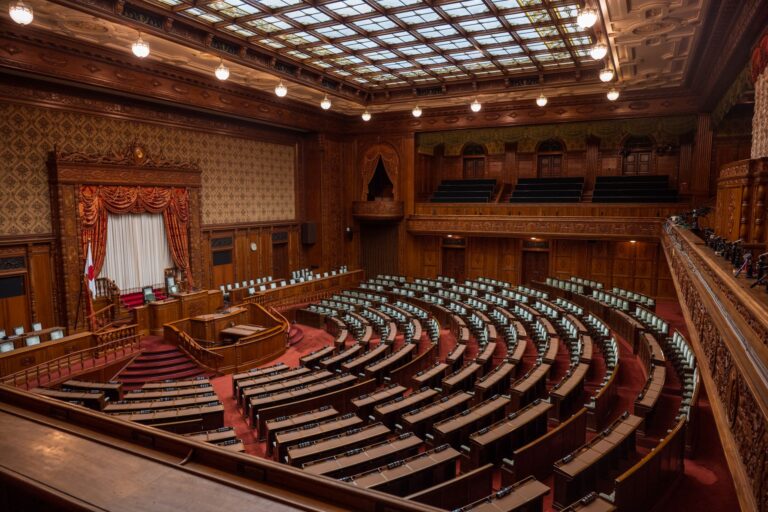
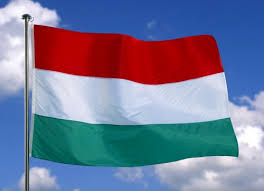
Six weeks into Peter Magyar’s government, Hungary is undergoing one of the most consequential political realignments in the European Union in years. The landslide April 2026 victory of his centre-right, pro-European Tisza party ended Viktor Orban’s sixteen-year rule, and the new administration, in office since 9 May, is recasting Budapest’s posture from obstacle to partner inside the bloc.
From confrontation to engagement
Under Orban, Hungary repeatedly clashed with Brussels over the rule of law, migration and support for Ukraine, and a portion of EU funds was suspended over rule-of-law concerns. Magyar has made unlocking those funds, stamping out corruption and restoring Hungary’s standing in the EU and NATO central to his programme, signalling a sharp break with the previous decade’s combative approach.
Implications for the European right
Orban’s defeat removes one of the most prominent figures of the continent’s nationalist right and a close ally of forces hostile to deeper EU integration. It strengthens the hand of the centre-right European People’s Party while complicating the calculus for harder-line formations. Analysts note that the result has punctured the assumption that incumbent nationalist governments in the region were politically unassailable.
A conditional partner, not a blank cheque
Magyar’s pro-EU orientation does not mean unconditional alignment. On Ukraine’s accession, his government has tied progress to guarantees for the ethnic Hungarian minority, keeping a national interest at the centre of its European policy. The approach suggests a constructive but assertive Hungary rather than a passive one.
The June test
The first major test comes at the 23-24 June European Council, where Hungary’s vote will no longer be the near-automatic veto it once was on enlargement and Ukraine-related files. For a bloc long accustomed to working around Budapest, the change reopens decisions that had been effectively frozen, and reframes the political map heading into the second half of 2026.