Blair tells Starmer: Labour has ‘no coherent plan’ as party ‘plays with fire’ on tax, welfare and Net Zero
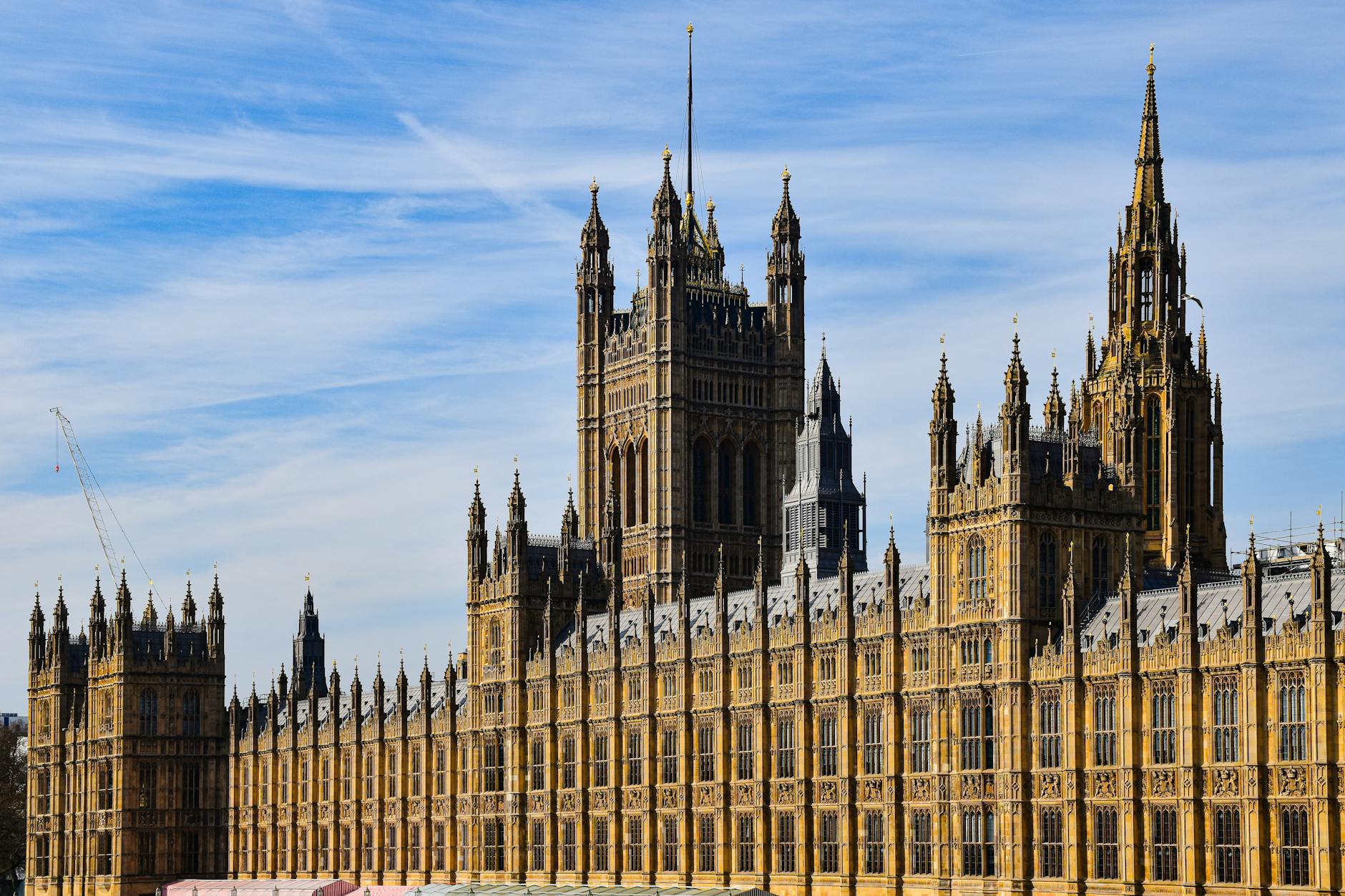
Sir Tony Blair launched one of the most pointed political interventions of his post-Downing Street years on Wednesday 27 May 2026, telling Sir Keir Starmer that the Labour government has “no coherent plan” and warning that the party is “playing with fire” on tax, welfare spending and net zero. The intervention, published simultaneously in The Guardian and The Sun, lands at one of the most fragile political moments of the Starmer premiership.
Blair’s argument
In an essay co-signed with senior figures at the Tony Blair Institute, the former Prime Minister argued that Labour’s “almost infinite capacity for self-delusion” makes the party likely to lose the next general election. Blair, who led Labour for 13 years and served as Prime Minister for a decade, criticised what he described as a lack of strategic clarity on the economy, on welfare reform, and on the post-2030 net-zero transition. The intervention was timed deliberately to coincide with the run-up to Chancellor Rachel Reeves’s autumn budget preparations.
Net zero and the energy debate
The most explosive section of Blair’s intervention concerns net zero. The former Prime Minister called on the party to “abandon” what he described as deadline-driven climate orthodoxy and to “rewire” energy policy around supply security and affordability. The Conservative-Reform UK coalition of opposition voices immediately seized on the argument, with Conservative former environment secretary Sir Robert Goodwill calling it “vindication” of years of Tory criticism of Labour’s climate strategy. Energy Secretary Ed Miliband’s office responded that the government remains “fully committed” to the 2050 net-zero target.
Tax and welfare
Blair’s most direct criticism is reserved for what he described as “the tax-and-welfare trap”. The intervention argued that Chancellor Reeves’s October 2024 budget — which raised capital gains tax to record £24.3 billion in 2025-26 receipts — had created “diminishing returns” and risked driving investment offshore. On welfare, Blair urged the party to “rediscover” the contributory principle of welfare provision, in contrast with what he characterised as the current government’s “universalist drift”. The position aligns closely with criticism from Labour’s own internal Blue Labour faction.
Reaction inside the Starmer government
The Starmer team’s initial response was muted but firm. A No. 10 spokesperson, asked about the Blair intervention at the Wednesday lobby briefing, said: “The Prime Minister has the greatest respect for Sir Tony Blair, but the country is in a very different place than it was in 1997, and our reforms reflect that reality.” Reeves, who had been preparing to deliver a major speech on small business reforms at the British Chambers of Commerce later in the day, did not directly address the Blair intervention but emphasised her commitment to “the difficult choices necessary to rebuild Britain”.
The leadership question
The Blair intervention compounds an already difficult political week for Starmer. More than 95 Labour MPs have now signed letters or made public statements calling for the Prime Minister to resign or set a departure timetable. Andy Burnham’s Makerfield by-election candidacy, formally approved by the National Executive Committee on 15 May, gives the Greater Manchester Mayor a credible Westminster route within months. Polling published this week by YouGov puts Starmer’s net favourability at -57, equalling the record low previously held by Liz Truss in autumn 2022.
Cabinet positioning
Senior cabinet figures, particularly Wes Streeting and Bridget Phillipson, have begun positioning themselves carefully. Streeting’s public emphasis on NHS reform — including a controversial expansion of private sector commissioning — is widely read as the basis for a leadership pitch should Starmer step aside. Phillipson, meanwhile, has built support among the soft-left of the parliamentary party through her education reforms. Both have publicly insisted on their loyalty to the Prime Minister.
Reform UK exploits the moment
Nigel Farage’s Reform UK has used the Blair intervention to amplify its core message that “the old Labour establishment has lost faith in Starmer”. Reform UK currently polls at between 28% and 33% nationally, making the party the largest single bloc in the latest YouGov and Opinium polls. Farage’s allies argue that the Conservative-Reform UK realignment, already advanced at the local level, will accelerate following the Blair intervention. The Conservative leadership is keenly aware of the trap, with shadow chancellor Mel Stride seeking to differentiate the Tory offer from Reform UK on fiscal credibility grounds.
Markets reaction
The FTSE 100 closed Wednesday up 0.13% at 10,505.01, with the gain driven by lower oil prices and broadly resilient corporate earnings. Sterling firmed modestly against the euro to £0.8483, but UK 10-year gilt yields edged up two basis points to 4.31% — reflecting market unease about the political stability premium. The Blair intervention has not yet had a discernible direct effect on UK asset prices, but several investment bank notes circulated late on Wednesday flagged “increased political uncertainty” as a downside risk to the UK rates trajectory.
What comes next
The immediate political test comes on Thursday 28 May, with Prime Minister’s Questions in the Commons. Starmer is expected to face direct questions on whether he intends to remain in post through the autumn budget. The Conservatives have signalled they will press hard on the Blair “no coherent plan” framing. The Labour parliamentary party meets on the evening of 28 May, and any organised expression of no-confidence motion from rebel MPs would mark a decisive escalation in the leadership crisis.