Briton with severe health issues hides from Sweden deportation
A 60-year-old British man with serious health problems has gone into hiding in Sweden after being told to leave the country by 17 October. Mark Smith, who has lived in Sweden since 2017, said he and his wife moved out of their apartment in Falkenberg to a caravan park because they fear the police will come for him. “We are in hiding, we daren’t go back to our apartment. We are scared to go out as we don’t know if the police will come and take us,” Smith said.
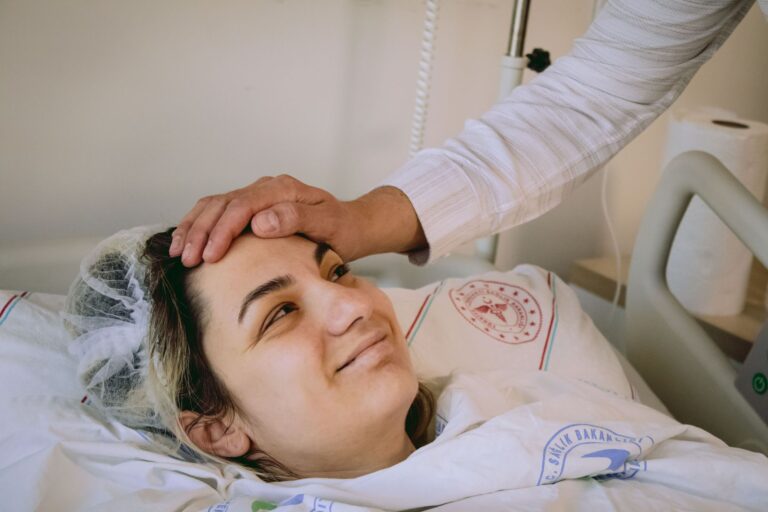
Smith suffers from heart attacks, strokes, severe headaches and chronically high blood pressure that is difficult to treat. He had a minor heart attack on Wednesday night. His wife Petra said his health conditions leave him vulnerable and she is unsure “if he will last until Christmas”. The couple have been together for 12 years, and Smith co-parents her 15-year-old son with special needs.
Sweden’s post-Brexit residency rules
Sweden is among 13 of the 27 EU member states that required Britons living there before Brexit to make a formal application to remain. Smith says authorities told him in 2020 he needed to do nothing to stay after Brexit. He asked the tax authorities three times about Brexit requirements and was told to wait five years to apply for permanent residency. “I asked the tax authorities three times on different occasions if I had to do anything because of Brexit and they said no, telling me I had to wait for five years to apply for permanent residency,” Smith said.
Smith’s troubles began in 2021 when he fell ill and applied for sickness benefit. Officials then told him he should have applied for post-Brexit residency. The couple applied immediately, recalling they did so by the end of 2021, in time for Sweden’s 31 December 2021 deadline. They waited more than two years, only to be rejected on the grounds they were not married and had no family connection to merit residency. The couple married in 2023, but campaigners say family connections are not criteria under free movement rights, which apply regardless of marital status.
Campaigners call for European Commission action
David Milstead, a volunteer citizens’ rights activist with the group Brits in Sweden, said Smith’s case is typical. “Mark’s experience is far from unusual. I have encountered many British citizens who actively sought information from the Swedish authorities about their residence rights after Brexit, only to receive vague, unhelpful answers, sometimes being told that they needed to do nothing,” Milstead said. He added that Smith’s case should warrant the urgent attention of the European Commission, which has previously said Sweden is not breaking any laws.
Sweden has deported 458 Britons, including a man who had been in the country since age 10 and a 65-year-old married to a Swede with no family or property in the UK. A removal order was also issued to a man with dementia in 24-hour care who had been in Sweden for 25 years. The Brexit withdrawal agreement, a legally binding treaty, requires governments to communicate residency rules and consider late applications on reasonable grounds, exercising proportionate decisions including for vulnerable people.