E-motorbikes seized by police sold at auction, BBC finds
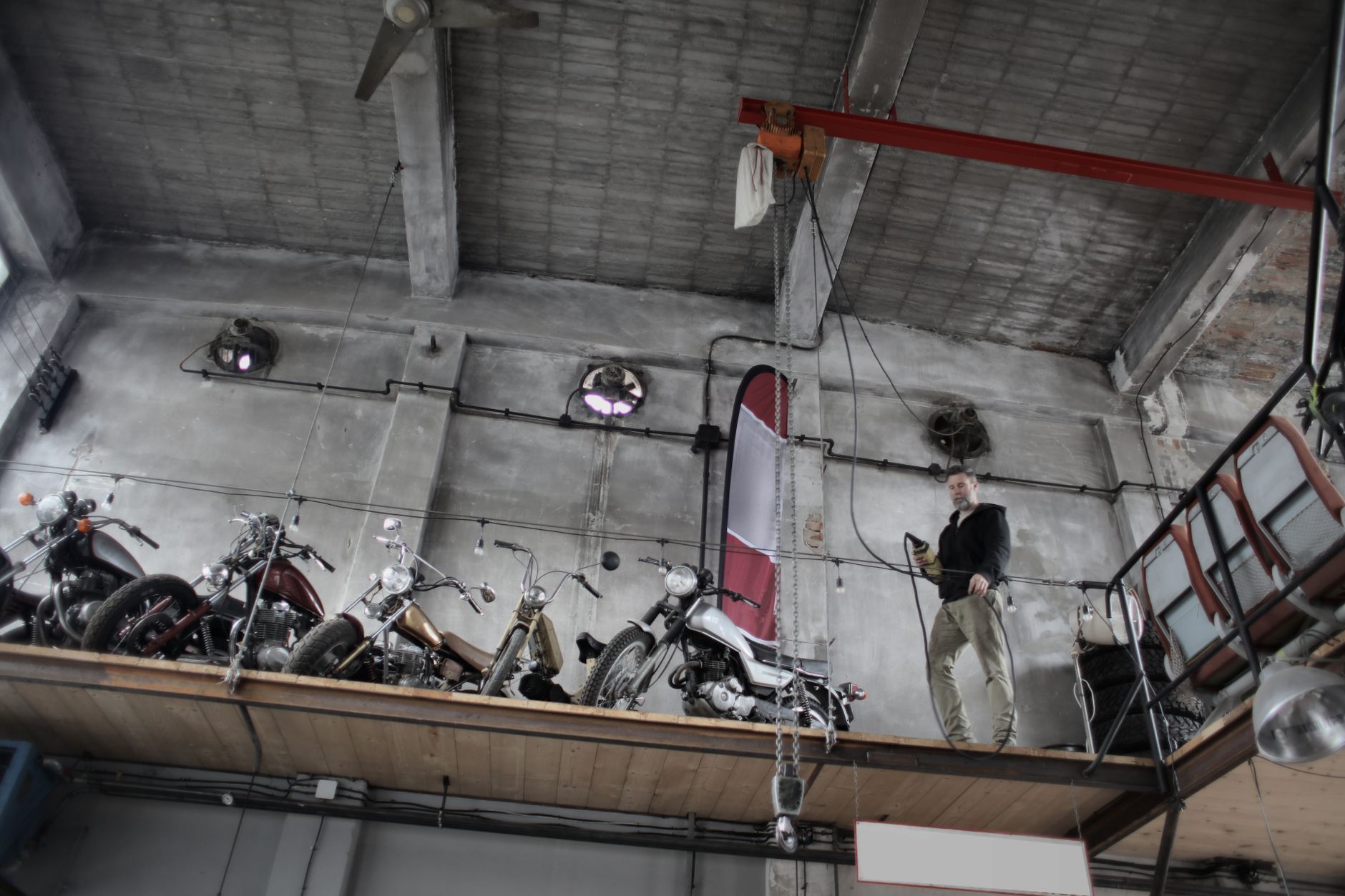
Thousands of electric motorbikes confiscated by police each year are quietly finding their way back onto public roads — sold at auction rather than destroyed, a BBC investigation has revealed.
Most seized e-motorbikes are crushed. But last year, police forces across the country sold at least 161 of them through public auctions, raising questions about whether illegally ridden or crime-linked vehicles are simply being recycled back into circulation.
How the sales work
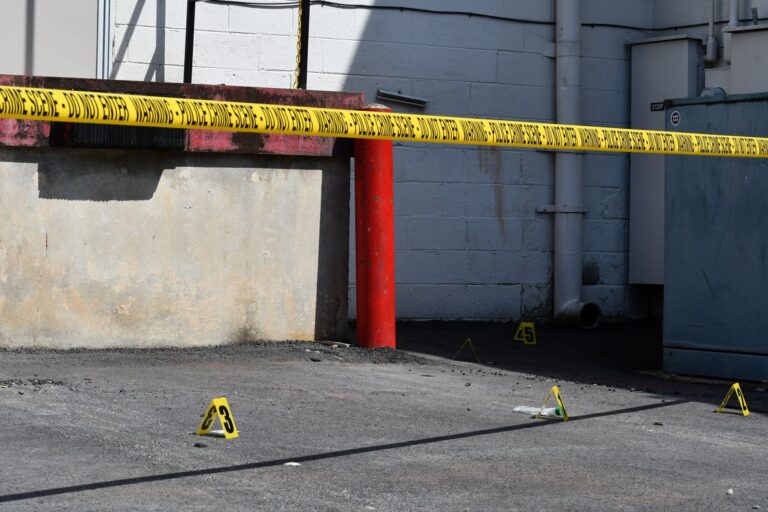
Forces typically seize e-motorbikes suspected of being ridden without insurance, without a licence, or used in street crime including robbery and drug supply. Once a case is closed or a bike goes unclaimed, many are sent for destruction. Yet a portion end up listed on auction platforms, sometimes with minimal checks on who’s buying.
Buyers at these sales won’t necessarily know a vehicle’s full history. And there’s no centralised system requiring forces to log whether auctioned bikes were originally involved in criminal activity.
A spokesperson for one police force said: “Disposal decisions are made on a case-by-case basis, and we follow all relevant guidance when selling seized property.”
What happens next
Critics argue the practice is inconsistent at best, reckless at worst. If a bike was seized because it’s unregistered or illegally modified, selling it on doesn’t fix those problems.
The 161 figure is almost certainly an undercount — not all forces responded to the BBC’s requests.
Campaigners are now calling for a national policy that’s transparent, consistent, and actually tracks where these bikes end up. Without one, the same machines could be back on the streets within weeks.