Wildfire phone alert across England and Wales was ‘entirely appropriate’, says government
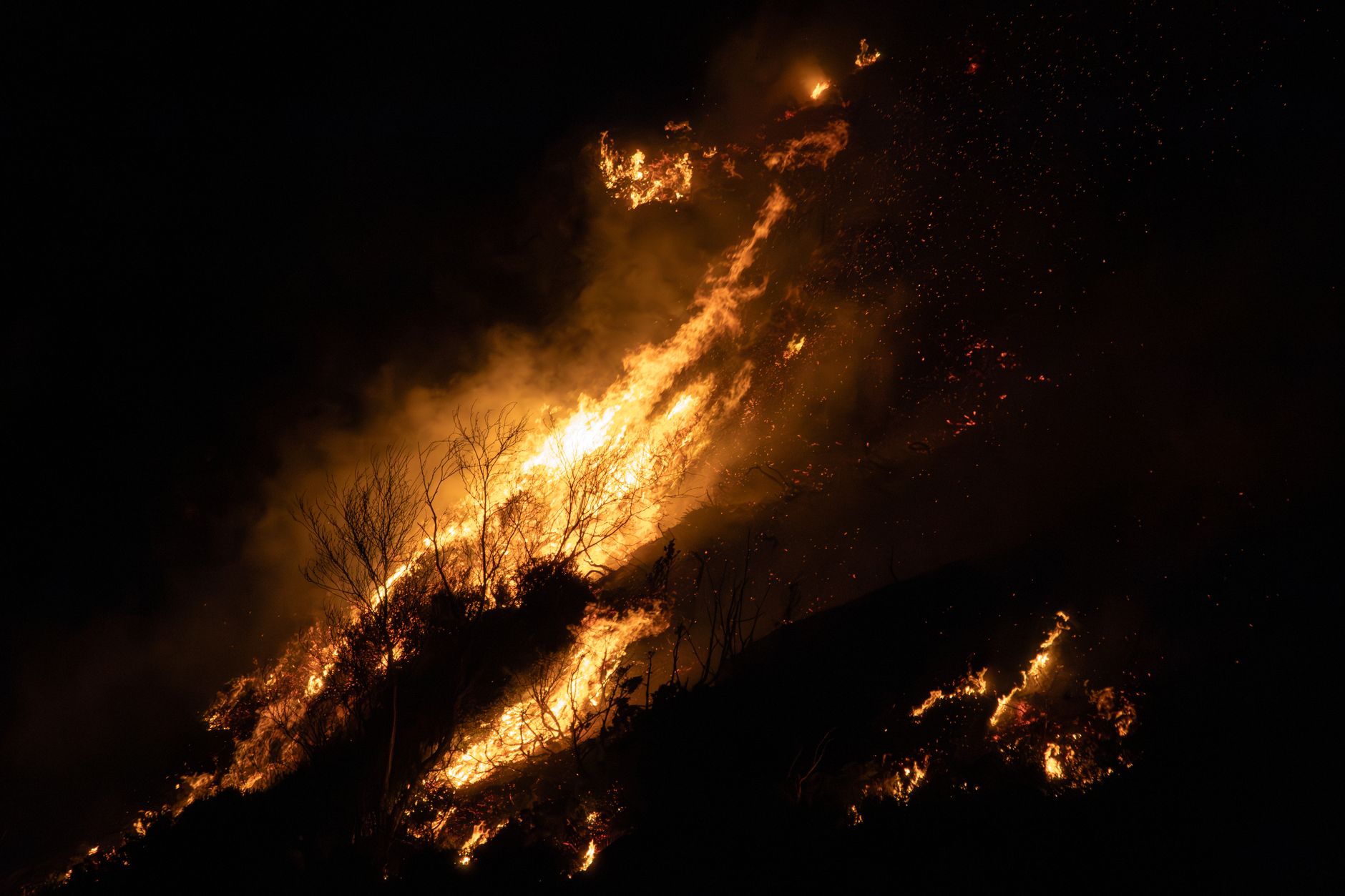
The government has defended its decision to send a wildfire emergency alert to millions of phones across England and Wales on Friday, insisting the notification was “entirely appropriate” given the conditions on the ground. The move triggered a wave of public reaction, with many people caught off guard by the sudden, piercing alarm on their devices.
What happened and when
At around 3pm on Friday, phones across England and Wales lit up with a “severe alert” warning issued through the UK’s Emergency Alerts system. The notification referenced wildfire risk during an ongoing dry spell, with parts of the country experiencing temperatures above 28°C and low humidity levels. It’s believed to be one of the first times the system has been used specifically for a wildfire threat since its national rollout in 2023.
The alert reached an estimated 20 million devices. For many, it was the first time they’d received such a warning outside of the system’s initial test broadcasts.
Government stands firm on the decision
Officials were quick to push back against criticism that the alert was an overreaction. A government spokesperson said the warning was issued “in full accordance with the established thresholds” and that public safety had to come first.
“We make no apologies for keeping people informed when there is a genuine risk to life,” the spokesperson said. “That’s exactly what this system is designed to do.”
But not everyone was convinced. Social media filled within minutes with complaints from people who didn’t understand the alert, couldn’t find a fire near them, or were simply startled while driving, working, or putting children to sleep.
The debate around public alerting
Still, emergency management experts broadly backed the government’s call. The UK’s wildfire risk has grown considerably over the past decade, with the number of significant wildfire incidents recorded by fire services rising sharply during summer months. In 2022, fires burned through more than 1,000 hectares of land in a single week during July’s record heat.
And the logic behind wide-area alerts is straightforward — wildfires can spread fast. By the time smoke is visible, evacuation windows can already be closing.
The Emergency Alerts system, which operates through cell broadcast technology, doesn’t require a data connection or even for a phone to be unlocked. That’s deliberately by design, to ensure maximum reach in situations where seconds count.
What comes next
The episode is likely to reignite a broader conversation about how and when the alert system should be used. Some MPs have already called for clearer public communication about what different alert levels actually mean in practice.
For now, the government says it won’t be changing its approach. Officials have indicated that as climate conditions make extreme weather events more frequent, alerts of this kind may become less of a rarity and more of a regular feature of British summers.
So Friday’s bleeping phones might just be something the public needs to get used to.