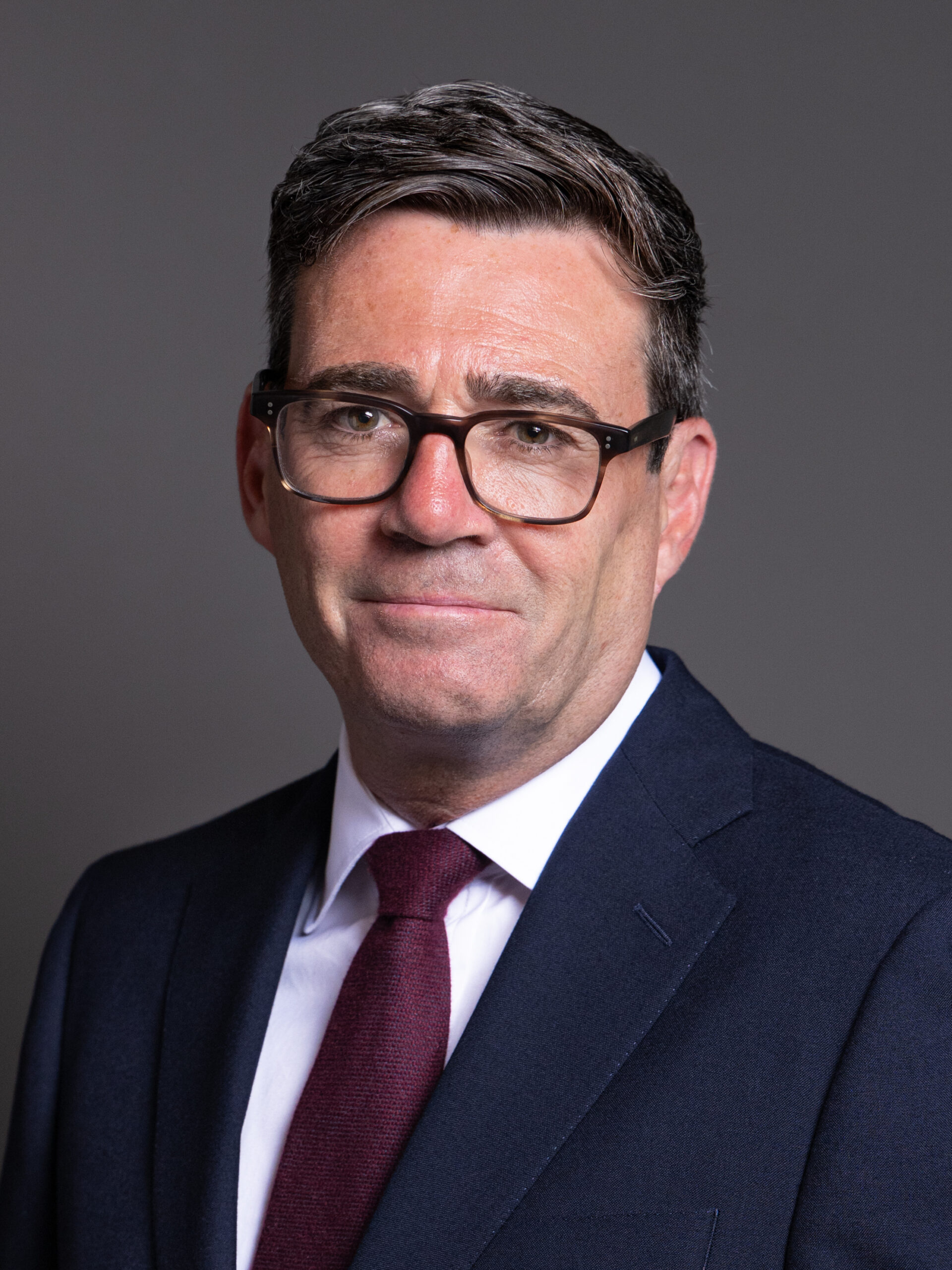
Andy Burnham as UK PM: The challenges waiting on his desk
Andy Burnham stepped into Downing Street carrying the weight of a country stretched thin. The former Greater Manchester mayor, long regarded as one of Labour’s most compelling communicators, now faces a set of problems that would test any leader — and he’s got no honeymoon period to speak of.
An economy that won’t cooperate
Britain’s public finances remain under severe pressure. Debt interest payments are consuming roughly £100 billion a year, and growth forecasts have been revised down twice in the past six months alone. Burnham campaigned on a platform of industrial renewal and green investment, but translating that vision into measurable results requires money the Treasury insists it doesn’t have.
So the new PM will almost immediately face a choice: raise taxes, cut services, or borrow more and hope the markets stay calm. None of those options is painless. And after years of austerity followed by years of pandemic spending, the public’s appetite for either sacrifice or false promises is essentially zero.
NHS waiting lists and a broken promise culture
The National Health Service is perhaps the most politically explosive file in Burnham’s in-tray. Waiting lists still hover above 7 million people, a figure that has barely budged despite billions in emergency funding. Burnham, who served as Health Secretary under Gordon Brown, knows the NHS better than most — but knowing the problem and fixing it are very different things.
He’s spoken passionately about integrating social care with health services, a model he partially piloted in Greater Manchester. But scaling that approach nationally is a massive logistical and financial undertaking. Critics from within his own party have already warned that expectations are dangerously high.
A fractured political landscape
Burnham won the leadership by uniting Labour’s warring factions around a message of pragmatic populism. But unity in opposition is not the same as unity in government. Already, left-wing MPs are pushing for bolder wealth taxes, while centrists are urging caution ahead of the next electoral cycle.
A senior government official, speaking on background, described the internal dynamics as “manageable but not comfortable.” That’s diplomatic language for a coalition of interests that could fracture under real governing pressure.
Still, Burnham has survived tougher rooms. His tenure in Manchester earned him genuine cross-party respect, and he’s not someone who shies away from a confrontation.
The international picture
And then there’s the world beyond Britain’s borders. Relations with the European Union remain complicated five years after the Brexit transition ended. Trade friction is costing UK exporters an estimated £6.4 billion annually, according to figures cited by the Office for Budget Responsibility. Burnham has signalled a desire for a closer relationship with Brussels, but resetting that relationship without triggering a domestic backlash will require genuine political skill.
The coming months will reveal whether Burnham’s reputation as a straight-talking, empathetic leader translates into effective governance. The in-tray is full. The clock is already running.