Regional mayors to get share of income tax in Burnham-backed plan
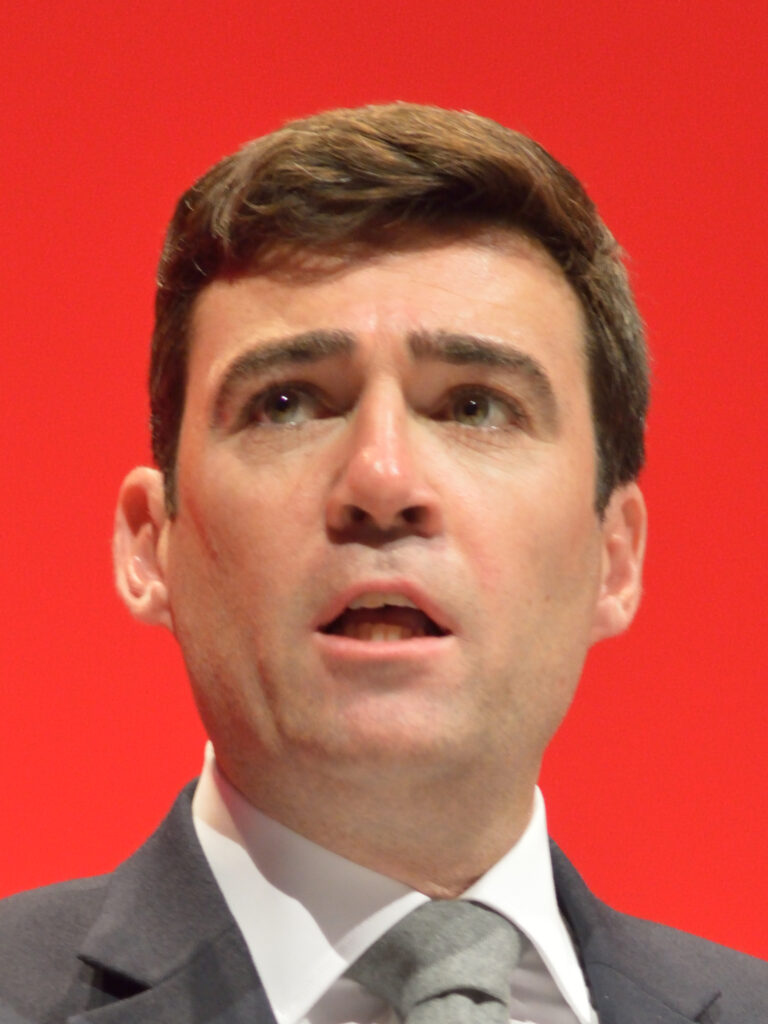
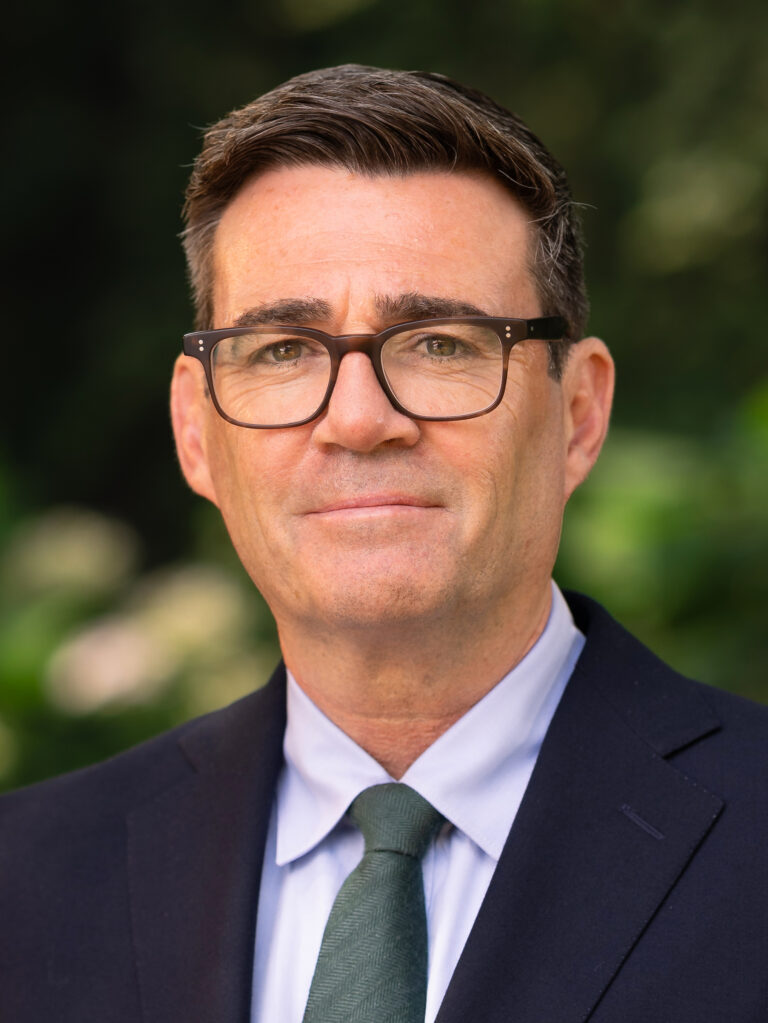
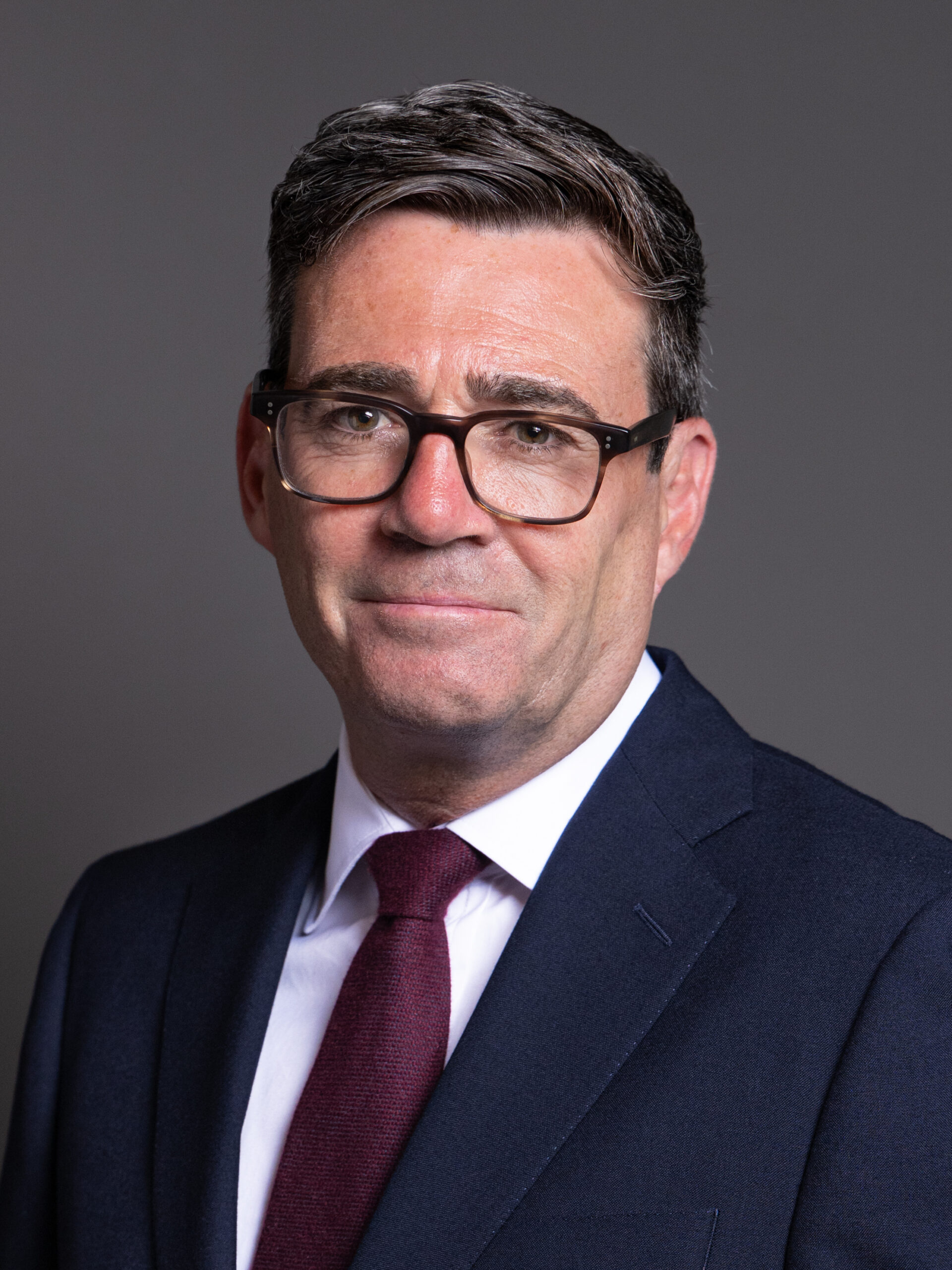
Regional mayors across England could receive a direct share of income tax revenues under a sweeping devolution proposal being championed by Greater Manchester Mayor Andy Burnham, as the government signals its most ambitious transfer of fiscal power in a generation.
The prime minister confirmed the broad outlines of the plan this week, framing it as a way to deliver economic growth to “every postcode” in the country. But the announcement has already drawn sharp criticism from local government experts and opposition politicians who say the policy is long on ambition and short on specifics.
What the plan actually involves
Under the proposed model, metro mayors and regional combined authorities would receive a portion of income tax collected within their areas, giving them a more stable and locally sensitive revenue stream than the current system of central government grants. Burnham has been pushing for this kind of fiscal devolution for years, arguing that places like Greater Manchester can’t plan long-term infrastructure or housing investment when funding decisions are made annually in Westminster.
The exact percentage of income tax that would be devolved hasn’t been set. That’s the detail critics are fixating on.
A senior Treasury official confirmed that consultations with mayoral authorities are ongoing and that a formal framework would be published “in due course” — language that satisfied nobody outside Whitehall.
Burnham’s role and the political backdrop
Burnham has positioned himself as the driving intellectual force behind the proposal, having outlined a similar model in a paper published by the Institute for Public Policy Research last autumn. He’s been vocal about the fact that English devolution has always been half-finished — more political theatre than genuine power transfer.
Still, this marks a significant moment. No previous government has seriously proposed letting mayors tap directly into income tax receipts. If it goes ahead, it would represent a structural shift in how public money flows through the British state.
Greater Manchester’s economy generates roughly £75 billion in GVA annually, and advocates argue that even a 1-2% income tax assignment could unlock hundreds of millions for local investment without raising taxes.
The critics aren’t impressed
But sceptics have a point. The government’s track record on devolution announcements is littered with bold speeches followed by quietly shelved White Papers. And this proposal arrives without a timeline, without a defined tax percentage, and without any clarity on how it would interact with the Barnett Formula that governs funding for Scotland, Wales and Northern Ireland.
Opposition politicians called it a “press release policy” — eye-catching enough to generate headlines but not yet a plan.
What happens next
A consultation is expected to run through the spring, with any legislative changes unlikely to reach Parliament before late 2025 at the earliest. Burnham and fellow mayors in West Yorkshire, the West Midlands and Liverpool City Region are expected to present a joint submission pushing for the highest possible tax assignment rate.
Whether the government follows through will depend as much on Treasury nerves as political will. And right now, nobody’s showing their hand.