Zelensky visit sends clear message of support for Ukraine, Burnham says
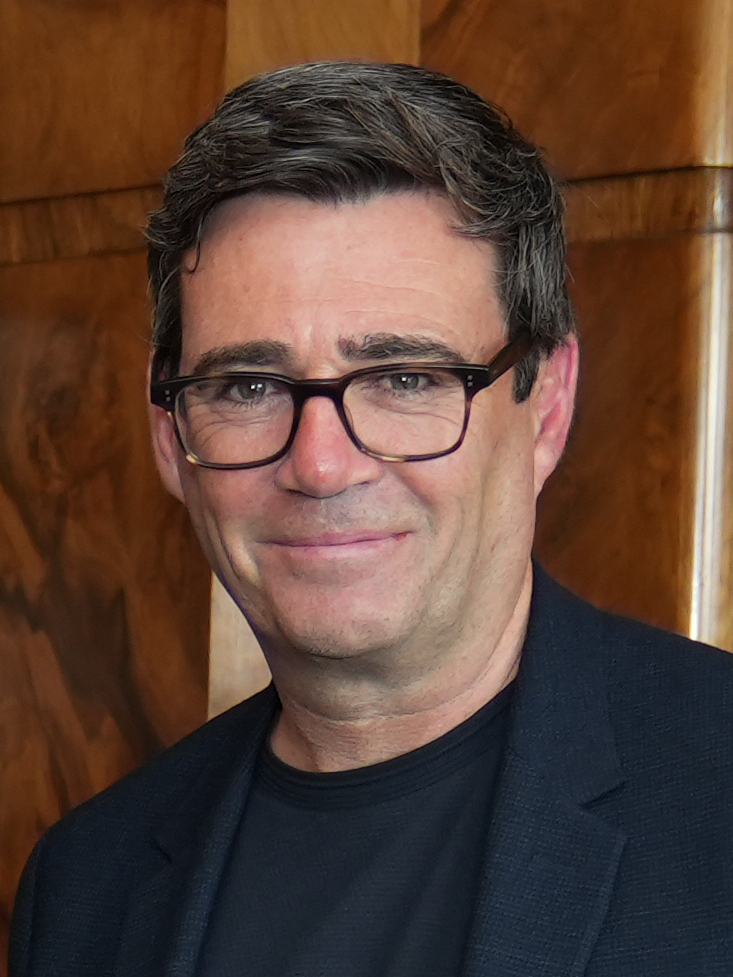
Ukrainian President Volodymyr Zelensky made a striking symbolic entrance onto the British political stage on Monday, becoming the first foreign leader to visit Prime Minister Keir Starmer since he took office just weeks ago. The meeting, held at Downing Street, drew immediate commentary from Greater Manchester Mayor Andy Burnham, who said the visit sent an unmistakable signal about where Britain stands.
Burnham welcomes the symbolism
Burnham didn’t mince words. Speaking to reporters, the Labour mayor described Zelensky’s arrival as a deliberate and powerful statement. “It’s the clearest possible message that this government is standing firmly with Ukraine,” he said. “Choosing him as the first visitor — that’s not an accident. That’s a declaration.”
The visit came just 11 days after Starmer was sworn in as prime minister following Labour’s landslide general election victory on July 4, in which the party won 412 seats. Burnham, a long-standing ally of Starmer, argued the timing reinforced the new government’s foreign policy priorities from the very start.
What was agreed at Downing Street
The two leaders met for approximately two hours, covering military aid commitments, reconstruction funding, and Ukraine’s long-term path toward NATO membership. Britain confirmed it would maintain its existing military support package, which currently stands at £3 billion annually. Starmer also reaffirmed previous pledges to supply Ukraine with additional long-range missiles and drone technology.
But the meeting wasn’t just about hardware. Both sides discussed a broader bilateral security agreement that’s been in the works since earlier this year. Officials say that deal could be finalised before the end of the summer. Still, no specific date was confirmed publicly.
Zelensky, who arrived via a military aircraft that landed at RAF Northolt shortly before noon, was greeted on the steps of No. 10 by Starmer himself — a departure from the usual protocol in which arriving leaders are met by a junior minister first.
A message to allies and adversaries alike
The optics mattered. And everyone in the room knew it.
By welcoming Zelensky before any other head of state, Starmer’s team was signalling a clear break from the diplomatic ambiguity that had at times characterised the final months of the previous Conservative government. Analysts watching from Brussels and Washington took note almost immediately.
Burnham said the visit also carried a domestic message — that ordinary British voters who backed Labour in part because of its foreign policy stance would see that commitment translated into action quickly. “People want to know their government means what it says,” he added. “This is how you show that.”
What comes next
Zelensky is expected to visit at least two more European capitals this week before returning to Kyiv. Meanwhile, Starmer is scheduled to attend his first NATO summit later this month in Washington, where Ukraine’s membership question is likely to dominate discussions.
Whether Monday’s meeting translates into new concrete commitments — beyond the existing £3 billion pledge — remains to be seen. But the tone has been set, and it won’t be easy to walk back.