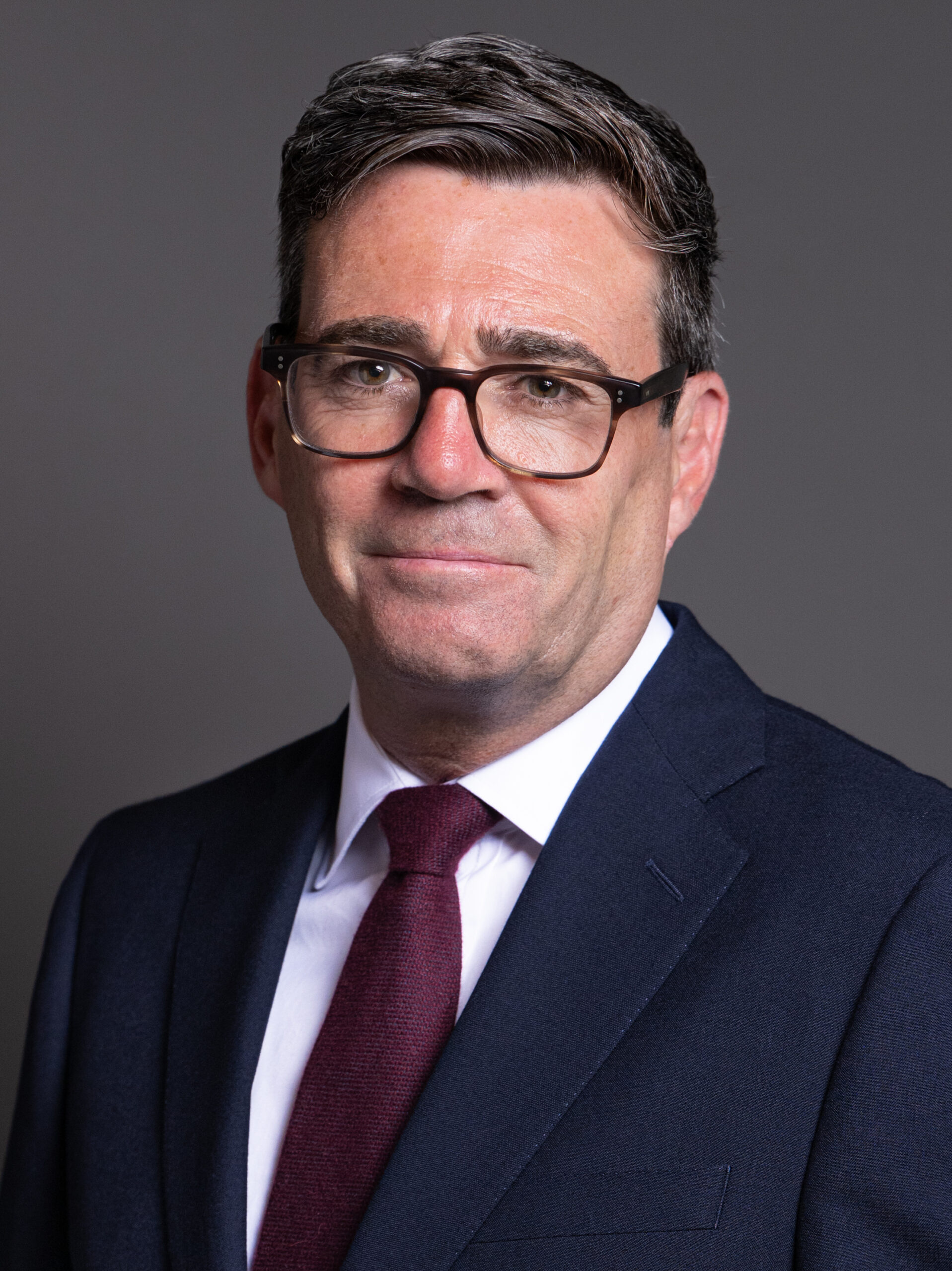
Andy Burnham’s economic vision: bold promise or political fantasy?
Andy Burnham wants to rewrite the rules of the British economy — and he’s not being subtle about it. The Greater Manchester mayor has spent months laying out an ambitious blueprint that centres on public ownership, regional investment, and what he calls a “foundational economy” built around ordinary workers rather than shareholders. But does it actually add up?
What Burnham is actually proposing
At its core, Burnham’s economic model draws heavily on the idea that essential services — transport, energy, social care — should be returned to public or cooperative hands. Greater Manchester’s Bee Network, which brought bus services back under public control in 2023, is held up as exhibit A. Passenger numbers on integrated routes have climbed, and the cost of a single bus fare was capped at £2. That’s a tangible win he points to constantly.
He’s also pushing for devolved fiscal powers, arguing that cities like Manchester are constrained by a Treasury model that still treats London as the economic engine for the entire country. Greater Manchester generates roughly £74 billion in economic output annually, yet decisions about major infrastructure spending still require sign-off from Whitehall.
The case for and against
Supporters argue that Burnham’s approach reflects a global shift — cities like Barcelona and Copenhagen have shown that municipal control over key services can drive both efficiency and equality. And there’s genuine public appetite for it. Polling from 2024 consistently showed around 60 percent of people across England support renationalising bus services.
But critics aren’t convinced. Several economists have pointed out that Manchester’s bus success relied on significant central government subsidy, and scaling that model nationally would carry eye-watering costs. The Institute for Fiscal Studies has repeatedly warned that regional economic strategies often struggle to survive contact with national fiscal constraints. Devolution sounds liberating until someone has to balance the books.
“The ambition is there, but the financing mechanisms remain vague,” one senior policy analyst at a Westminster think tank said bluntly. “Vision without a credible funding model is just a speech.”
The Labour question
There’s an awkward subtext here. Burnham’s ideas sit to the left of Keir Starmer’s government on economic policy, and the tension between Manchester and Westminster is barely disguised. Burnham has been careful not to directly criticise Labour’s leadership, but his repeated calls for greater fiscal devolution amount to a standing rebuke of the current approach.
He’s widely expected to run for Labour leadership at some point. This economic platform is clearly being road-tested.
What happens next
Burnham’s mayoral term runs until 2028, giving him time to build more concrete evidence for his model. The expansion of the Bee Network to trains is scheduled for 2025, which will be the real test. If integration works at that scale, his national argument becomes considerably harder to dismiss.
Still, translating a regional experiment into a national economic programme is a different proposition entirely. The vision is coherent. Whether it’s deliverable — at scale, under real fiscal pressure — is the question that remains stubbornly unanswered.