Safe-sleep nursery checks expanded after baby deaths inquiry
Thousands of additional unannounced nursery inspections will take place across England from September, the government has confirmed, as a grieving mother whose son died at a childcare setting says he was ‘not treated as a human being.’
The new measures will see an extra 3,000 unannounced visits carried out each year, with inspectors specifically checking whether nurseries are following safe-sleep guidelines for infants. The announcement marks one of the most significant expansions of early years oversight in recent memory.
A mother’s devastating loss
Joanna Adeyemi’s son Theo died in 2021 after staff at his nursery placed him to sleep in a position that went against basic safe-sleep guidance. He was 10 months old. Adeyemi has spent years pushing for systemic change, and she welcomed Thursday’s announcement — but stopped short of calling it enough.
‘My son was not treated as a human being,’ she said. ‘He was put down to sleep in a way that any parent would know was wrong. I just don’t want another family to go through what we have.’
Her words have become a rallying point for campaigners who argue that sporadic inspections and inconsistent staff training have left infants exposed to entirely preventable risks.
What the new inspections will cover
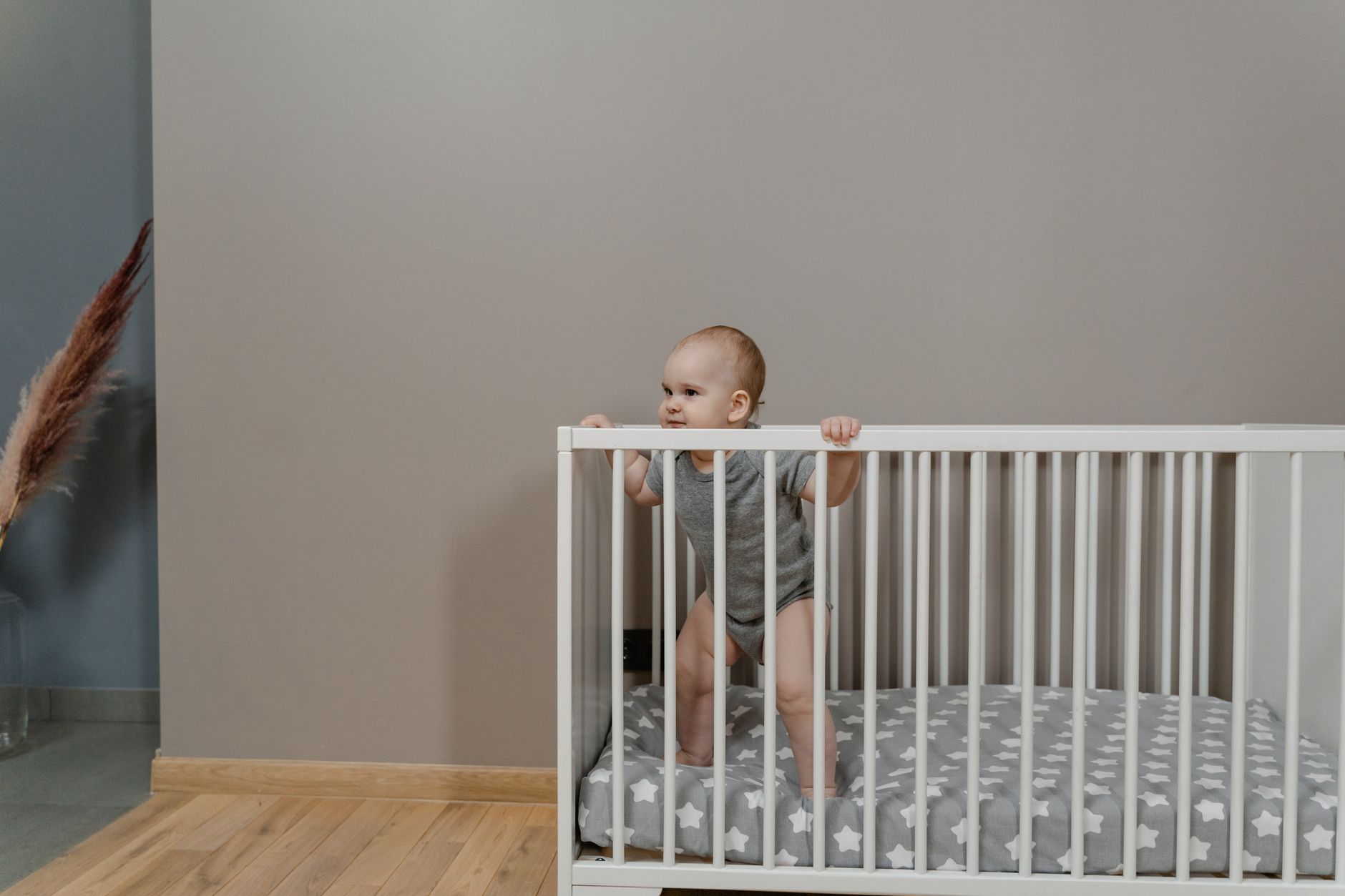
Under the expanded regime, Ofsted inspectors will conduct targeted checks focused on how babies are being placed to sleep, whether cots are free from loose bedding and soft toys, and whether staff can demonstrate awareness of sudden infant death syndrome (SIDS) risks. Current guidance recommends placing babies on their backs, in a clear cot, at the right temperature.
It’s a deceptively simple set of rules. But evidence collected by child safety charities suggests compliance has been patchy, particularly in smaller, independent settings where staff turnover is high and training budgets are tight.
An Ofsted spokesperson said the inspections would be ‘proportionate but robust,’ adding that settings found to be non-compliant would face swift follow-up action. ‘The safety of the youngest children in our care system is non-negotiable,’ the spokesperson said.
Scale of the problem
Between 2018 and 2023, at least 17 child deaths in England were linked in coroners’ reports to unsafe sleep practices in registered childcare settings. Campaigners believe the true number is higher, partly because not all cases are flagged consistently to a central body.
The 3,000 additional annual visits represent roughly a 14% increase on current unannounced inspection activity across the sector.
Still, critics argue the numbers don’t go far enough given there are more than 23,000 registered daycare providers in England. At that rate, many nurseries could go years without a targeted safe-sleep check.
What happens next
The government says the first wave of new inspections will begin in September, with a full review of findings published in spring 2026. Ministers are also consulting on whether safe-sleep training should become a mandatory qualification requirement for all nursery workers — not just room leaders.
For Adeyemi, the fight isn’t over. But for the first time in four years, she says, it feels like someone is finally listening.