Russian shadow fleet tanker enters Channel in first transit since Smyrtos boarding
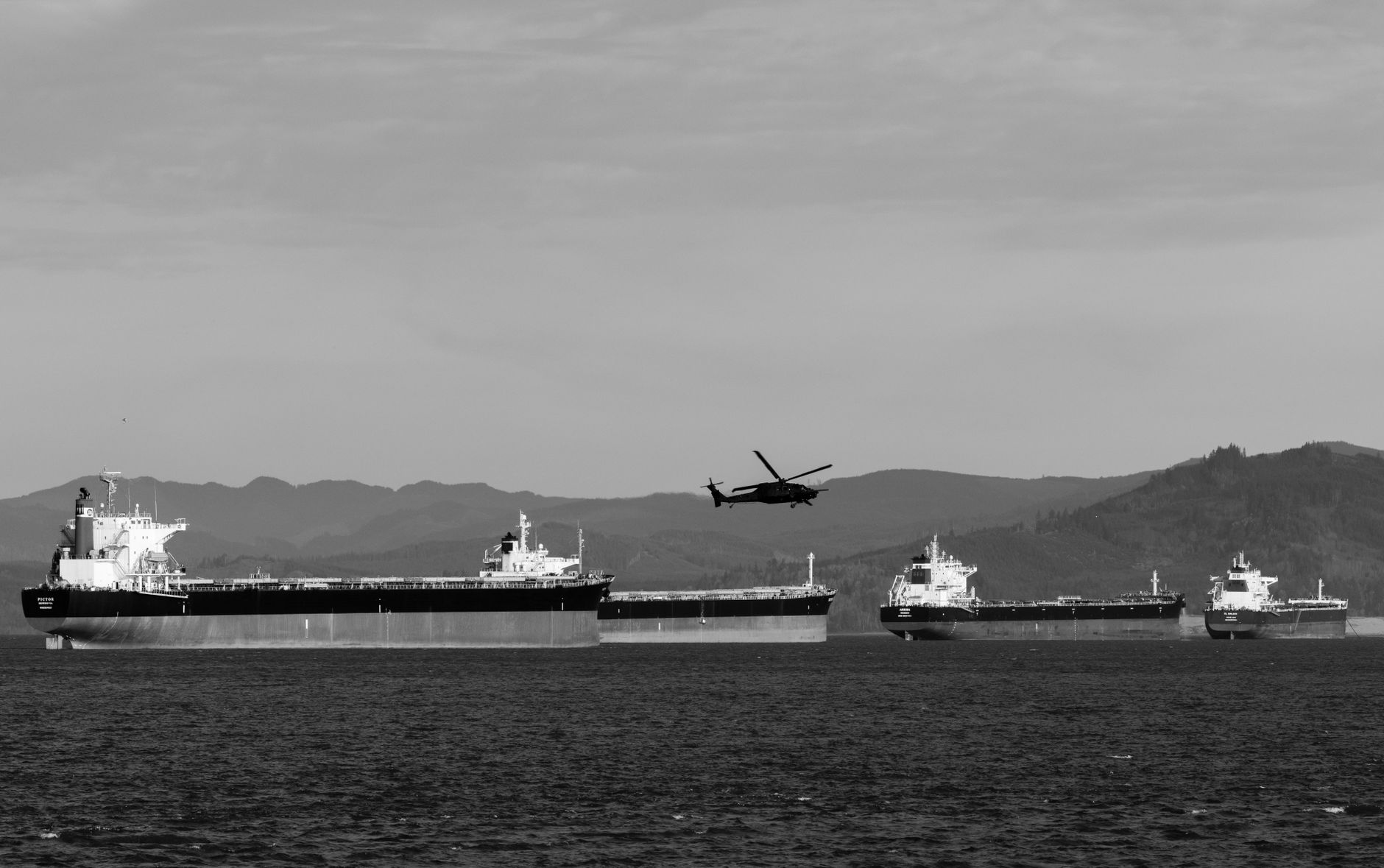
A Russian-flagged oil tanker has passed through the English Channel for the first time since British authorities boarded the shadow fleet vessel Smyrtos last month, raising fresh concerns about the continued movement of sanctioned crude through one of the world’s busiest shipping lanes.
The vessel, identified as the Forwarder, entered the Channel on Wednesday evening after departing the Russian Baltic port of Primorsk last week. Maritime tracking data shows it was carrying a full cargo load, consistent with refined petroleum products, and was moving at approximately 11 knots as it passed the Dover Strait.
A closely watched transit
The Smyrtos incident in late April marked the first time UK authorities had physically boarded a shadow fleet ship in British waters. That operation, carried out by the Maritime and Coastguard Agency, lasted several hours and drew immediate attention from shipping analysts monitoring Russia’s oil export routes. So the Forwarder‘s arrival in the Channel just weeks later was always going to be scrutinised.
And it was. Vessel tracking services flagged the ship’s position as it rounded the northern tip of Denmark, and maritime intelligence groups had been following its progress since it left Primorsk on May 14.
The Forwarder is a 274-metre crude carrier built in 2004. It’s not currently on any UK or EU sanctions list, but analysts say it fits the profile of vessels used to move Russian energy exports in ways designed to circumvent Western restrictions — sailing under Russian registration, using opaque ownership structures, and carrying insurance from providers outside mainstream Western markets.
Authorities watching but not acting
A spokesperson for the Maritime and Coastguard Agency said the agency “monitors all vessel movements through UK waters and works closely with international partners to enforce maritime safety and sanctions compliance.” They declined to confirm whether the Forwarder had been subject to any specific surveillance operation.
Britain didn’t board the vessel.
The shadow fleet’s Baltic corridor
Russia has dramatically expanded its use of older, obscurely owned tankers since the G7 price cap on Russian oil came into force in December 2022. Primorsk, on the Gulf of Finland, is one of the country’s primary crude export terminals and has seen a steady flow of these vessels in recent months. Some 68 tankers connected to Russian shadow fleet operations passed through the Dover Strait in the first quarter of 2025 alone, according to data compiled by maritime risk firm Windward.
The Channel route remains the most direct path from the Baltic to major buyers in Asia and the Middle East — even if it means transiting waters where European nations have shown increasing willingness to intervene.
What comes next
The Forwarder is expected to continue south through the Channel and into the Atlantic. Whether it becomes the subject of any enforcement action from France, which also has jurisdiction in parts of the strait, remains to be seen. But with pressure mounting on European governments to do more to enforce the price cap, Wednesday’s transit is unlikely to be the last test of political will in these waters.